Introduction
Sometimes the simplest desserts are the ones worth returning to again and again, and this berries with vanilla custard is a perfect example. It’s a classic French-style stirred custard — the kind made on the stovetop rather than baked — poured warm-then-chilled over a bowl of fresh berries. With just five ingredients and about 20 minutes of active time, it transforms basic pantry and fridge staples into something that feels genuinely special, closer to what you’d expect from a restaurant dessert menu than a home kitchen. The custard itself is rich and silky, built on egg yolks and half-and-half rather than a boxed pudding mix, so the vanilla flavor comes through clean and true rather than artificial. While the recipe calls for fresh raspberries, it’s just as delicious with strawberries, blueberries, peaches, or any combination of what’s in season, making this a wonderfully adaptable base you can turn to throughout the year.
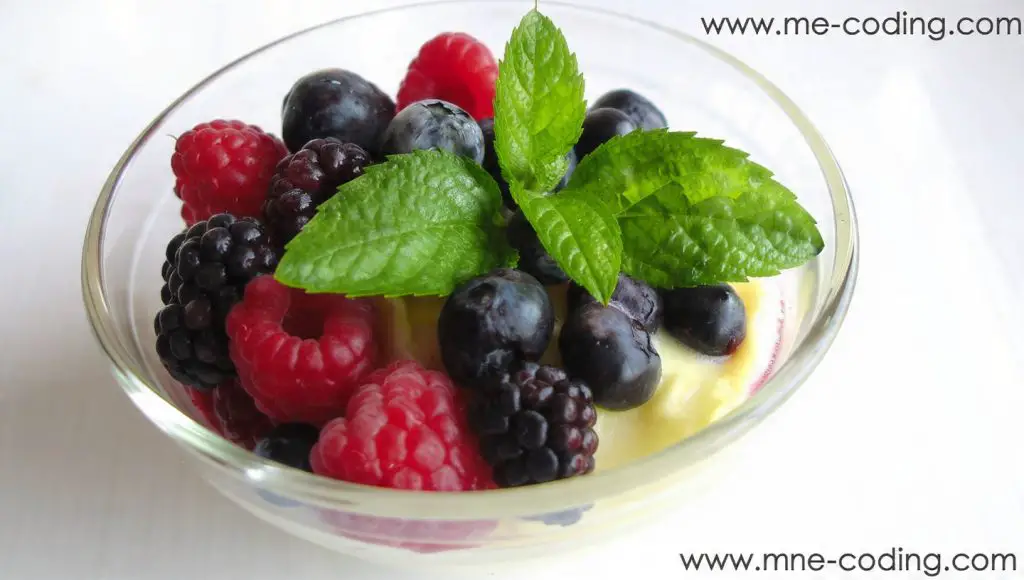
Ingredients
- 1 cup half-and-half cream
- 2 large egg yolks
- 2 tbsp sugar
- 2 tsp vanilla extract
- 2 cups fresh berries (raspberries, strawberries, or your favorite mix)
A couple of notes on these ingredients: using half-and-half rather than heavy cream keeps the custard lighter without sacrificing its creamy texture, while still being rich enough to set into a proper sauce as it cools. The egg yolks are what give this custard its structure and glossy finish — there’s no cornstarch or flour involved, so the yolks alone are doing the thickening work here, which means the cooking technique in the next step matters quite a bit for getting it right.
How to Make It
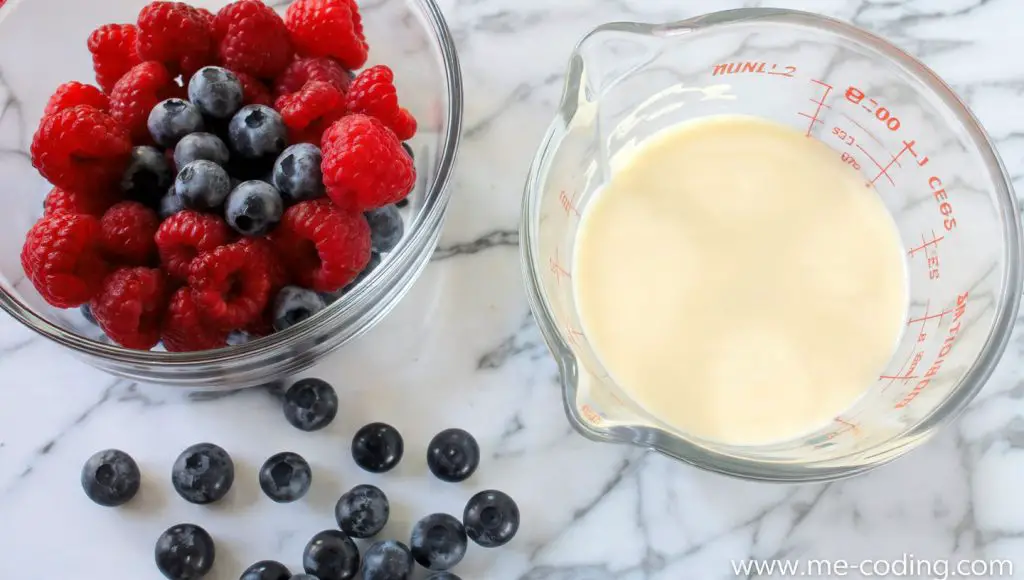
Step 1 – Cook the custard base. In a small, heavy saucepan, whisk together the half-and-half, egg yolks, and sugar until combined. Place over low heat and cook, stirring constantly, until the mixture thickens enough to coat the back of a metal spoon and a thermometer inserted into the mixture reads at least 160°F. This step requires patience and attention — do not let the mixture boil, since boiling can cause the egg yolks to curdle, leaving you with a grainy, broken custard instead of a smooth one. Keeping the heat low and stirring continuously is the key to success here.
Step 2 – Add the vanilla and chill. Once thickened, transfer the custard to a bowl and stir in the vanilla extract. Cover and refrigerate until completely cold — this usually takes at least an hour, though it can be made further ahead if you’d like.
Step 3 – Serve. Once chilled, spoon the custard over fresh berries and serve immediately. The contrast between the cool, silky custard and the bright, slightly tart berries is really the whole point of this dessert, so it’s best enjoyed the same day it’s assembled.
A quick technique note: because this custard has no starch to stabilize it the way a cooked pudding would, temperature control while cooking is everything. If you’re at all nervous about curdling the eggs, a double boiler (or a heatproof bowl set over a pot of gently simmering water) gives you more control than a direct flame, since it’s much harder to overheat the mixture that way.
Recipe Variations
- Change the fruit: Strawberries, blueberries, or sliced peaches all work beautifully in place of raspberries — this custard is a flexible base for whatever fruit is freshest.
- Add a citrus note: A little finely grated lemon or orange zest stirred into the finished custard brightens the flavor and pairs especially well with berries.
- Make it a layered dessert: Spoon the custard and berries into individual glasses in alternating layers for a more elegant, parfait-style presentation.
Why This Is a Relatively Diabetic-Friendly Recipe
Compared to many desserts, this one is on the gentler side for blood sugar, mostly because of what it doesn’t contain. There’s no flour, no large quantity of added sugar, and no starchy thickener — just 2 tablespoons of sugar spread across the entire batch of custard, most of which is diluted across four servings. The bulk of the dessert’s volume and substance comes from fresh berries, which contribute natural sweetness along with fiber that helps moderate how quickly that sugar is absorbed. This is reflected in the recipe’s own diabetic exchange of 1½ fat, ½ starch, and ½ fruit per serving — a notably modest exchange value for a dessert that still feels rich and satisfying thanks to the egg-yolk-based custard. That said, half-and-half and egg yolks do contribute a meaningful amount of saturated fat, so if you’re also managing cholesterol or heart health alongside blood sugar, that’s worth keeping an eye on. As always, it’s worth checking with a doctor or dietitian about how a dessert like this fits into your individual plan, particularly if you want to adjust the fat content or the amount of sugar used.
Nutrition (per serving: ½ cup berries with ¼ cup custard, based on 4 servings)
- Calories: 166
- Fat: 9g (5g saturated)
- Cholesterol: 132mg
- Sodium: 34mg
- Carbohydrates: 16g
- Sugar: 11g
- Fiber: 4g
- Protein: 4g
- Diabetic exchange: 1½ fat, ½ starch, ½ fruit
The relatively high cholesterol figure here comes almost entirely from the egg yolks, which are essential to the custard’s texture — worth noting if you’re tracking dietary cholesterol closely, though the overall carbohydrate and sugar counts are quite reasonable for a dessert.
How to Store
Because this custard is egg-based and cooked only to 160°F rather than fully cooked through, it should always be kept refrigerated, covered, in an airtight container. It will keep well for about 2–3 days in the fridge, though it’s genuinely at its best within the first day or two, since the texture can thicken slightly further the longer it sits. This is not a custard that freezes well — the delicate emulsion of egg yolks and cream tends to separate and turn grainy once thawed, so it’s best made in a batch size you can finish within a few days rather than planning to freeze leftovers. As for the berries, it’s best to store them separately, unwashed, in the refrigerator and only wash and portion them just before serving, along with spooning on the chilled custard — this keeps the berries firm and prevents them from getting soggy or watery while waiting to be eaten.