Introduction
There’s something almost magical about a cake that looks this impressive while asking so little of you in return. This pear Bundt cake proves that an elegant dessert doesn’t need a long ingredient list or complicated technique — it needs a good Bundt pan and a can of pears. The recipe leans on canned reduced-sugar pears and their syrup to do double duty: sweetening the batter and keeping it moist, which means there’s no oil in the mix at all, making this a surprisingly lighter cake than its rich, tender crumb would suggest. Built on a simple white cake mix base with pear syrup, egg whites, and a whole egg folded in, it comes together with just 15 minutes of prep before baking for about 50 minutes into a golden, fluted showpiece. A light dusting of confectioners’ sugar is all the finishing touch it needs. Because it relies on canned pears rather than fresh, this is a cake you can make any time of year, dressing it up with warm spices for a fall gathering or serving it plain at a spring brunch — and since it freezes beautifully, it’s an easy make-ahead option whenever the craving strikes.
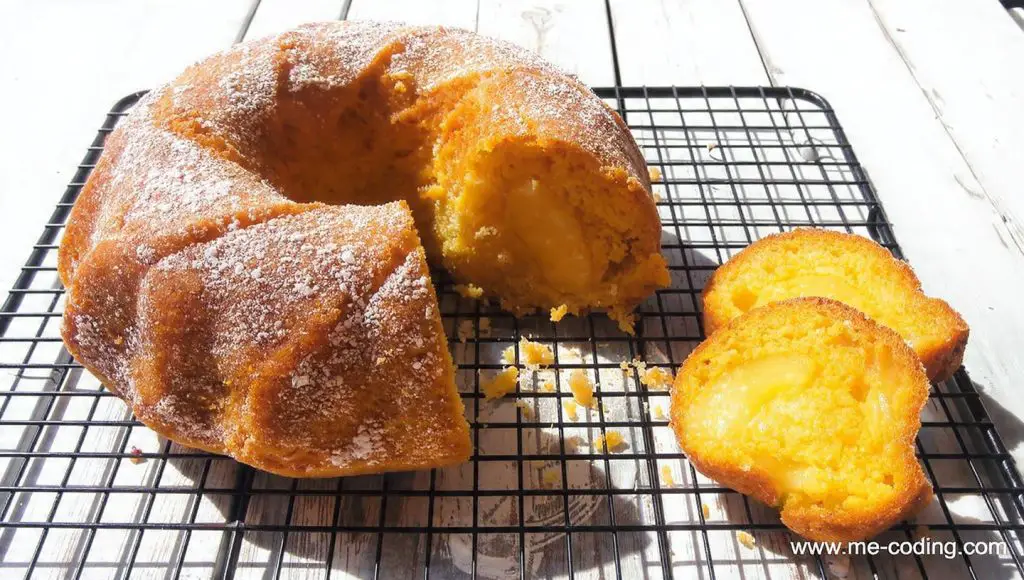
Ingredients
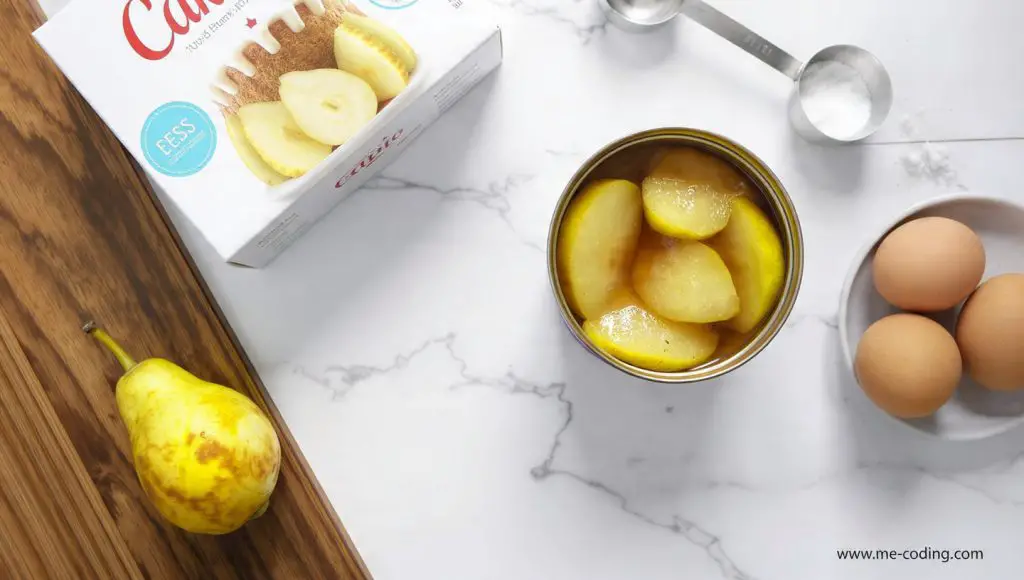
- 1 can (15 oz) reduced-sugar sliced pears, with syrup
- 1 package white cake mix (regular size)
- 2 large egg whites, room temperature
- 1 large egg, room temperature
- 2 tsp confectioners’ sugar, for dusting
A couple of ingredient notes worth knowing. Using reduced-sugar canned pears (rather than pears packed in heavy syrup) keeps the overall sugar content more moderate while still providing enough natural sweetness and moisture to skip the oil most cake-mix recipes call for. Room-temperature eggs and egg whites matter more than you might think here — they incorporate into the batter more evenly than cold ones, which helps the cake rise consistently and gives it a more even crumb throughout.
How to Make It
Step 1 – Prepare the pears. Preheat your oven to 350°F. Drain the canned pears, but reserve the syrup rather than discarding it — you’ll need it in the batter. Chop the pears into smaller pieces and place both the chopped pears and the reserved syrup into a large mixing bowl.
Step 2 – Make the batter. Add the white cake mix, the room-temperature egg whites, and the whole egg into the same bowl with the pears and syrup. Beat the mixture on low speed for 30 seconds to bring everything together, then increase to high speed and beat for a full 4 minutes. This longer beating time matters — it’s what develops the batter’s structure and gives the finished cake its light, tender texture rather than a dense one.
Step 3 – Prepare the pan. Coat a 10-inch fluted tube (Bundt) pan generously with cooking spray, making sure to get into all the ridges and detailing, then dust it with flour. Getting into every groove of the pan is essential for a clean release later — missing a spot is one of the most common reasons a Bundt cake sticks and tears when unmolded.
Step 4 – Bake. Pour the batter evenly into the prepared pan. Bake for 50–55 minutes, until a toothpick inserted into the center comes out clean.
Step 5 – Cool and finish. Let the cake cool in the pan for exactly 10 minutes before turning it out onto a wire rack to cool completely — this resting period is essential, since a Bundt cake naturally releases from the pan’s ridges as it cools slightly, and turning it out too soon or too late can cause sticking or breakage. Once fully cooled, dust the top with confectioners’ sugar just before serving.
Recipe Tips and Variations
- Add warm spices: Ground cinnamon, nutmeg, or cloves stirred into the batter give the cake a cozy, poached-pear flavor that’s especially nice in fall. A touch of ground ginger, or even a pinch of fresh rosemary, also pairs surprisingly well with pear.
- Add texture: Toasted walnuts or pecans folded into the batter add crunch and a nutty contrast to the soft, moist crumb.
- Using fresh pears instead of canned? This requires a few adjustments, since you’d be losing the syrup that provides both sweetness and moisture. You’d need to add a source of fat back in — vegetable oil, sour cream, or even cream cheese — along with some granulated sugar or simple syrup to make up for what the canned syrup would have contributed.
- Getting a clean release from the pan: Beyond greasing thoroughly, wiping the interior with a bit of shortening on a paper towel (making sure it reaches every ridge) before adding the batter helps enormously, as does resisting the urge to turn the cake out before that 10-minute cooling window is up.
A Note on Diabetic Suitability
This cake sits in a bit of a middle ground when it comes to diabetic-friendliness. It’s not a specifically formulated sugar-free or low-carb dessert, but it’s built with some genuinely thoughtful choices: using reduced-sugar canned pears in place of a fully sugared version, and skipping added oil or butter entirely by relying on the pear syrup for moisture, does keep both the sugar and fat content more moderate than a typical Bundt cake. Even so, each slice carries 28g of total carbohydrate and 16g of sugar, largely from the white cake mix itself along with the pear syrup — a meaningful amount for anyone tracking blood glucose closely. The recipe’s own diabetic exchange guidance of 2 starch and ½ fat per slice reflects that this is a cake to enjoy in a controlled portion rather than freely.
If you wanted to adapt this further for a more diabetic-friendly result, look for a cake mix formulated with a sugar substitute, or consider a from-scratch batter using a low-carb flour blend and a granulated sugar substitute in place of the mix. Pears packed in water rather than syrup, with a small amount of sugar substitute added for sweetness, would also reduce the sugar load meaningfully while keeping the moisture the syrup normally provides. As always, portion size matters most here — a smaller slice, paired with a source of protein or fat, can help moderate the impact on blood sugar, and it’s worth checking with a doctor or dietitian about how a cake like this fits into your individual plan.
Nutrition (per slice, based on 16 servings)
- Calories: 149
- Fat: 3g (1g saturated)
- Cholesterol: 12mg
- Sodium: 232mg
- Carbohydrates: 28g
- Sugar: 16g
- Fiber: 0g
- Protein: 2g
- Diabetic exchange: 2 starch, ½ fat
Notably, this cake is quite low in fat for a Bundt cake, since there’s no oil or butter in the batter at all — the trade-off is a slightly higher reliance on sugar and refined carbohydrates for both sweetness and moisture, which is reflected in its carbohydrate count.
How to Store
Once the cake has cooled completely, wrap the whole cake or individual slices in plastic wrap and store them in an airtight container. It’s best kept at room temperature if you’re planning to finish it within a few days — refrigerating this particular cake can actually dry it out, since the moisture here comes from pear syrup rather than oil or butter, and cold temperatures pull that moisture away faster than you’d expect. For longer storage, this cake freezes exceptionally well: wrap it tightly (whole or in slices) and place it in a freezer-safe container, where it will keep for up to six months. When you’re ready to enjoy it, let it thaw completely at room temperature rather than in the fridge or microwave, which helps it regain its original moist, tender texture.