Supporting Baby’s Brain and Eye Development, Rich in DHA & EPA, Safe and Nutrient-Dense
Omega-3 fatty acids — especially DHA (docosahexaenoic acid) and EPA (eicosapentaenoic acid) — play a critical role during pregnancy. DHA is a major structural component of the baby’s brain and retina, and adequate intake during pregnancy has been linked to healthy neurological and visual development. Omega-3s also support the mother’s cardiovascular health and may help reduce the risk of preterm birth. Since the body cannot produce these fatty acids on its own, they must come from diet or supplements. Below are ten of the best omega-3 food sources for pregnancy, along with their importance, nutrition facts, and recommended amounts.
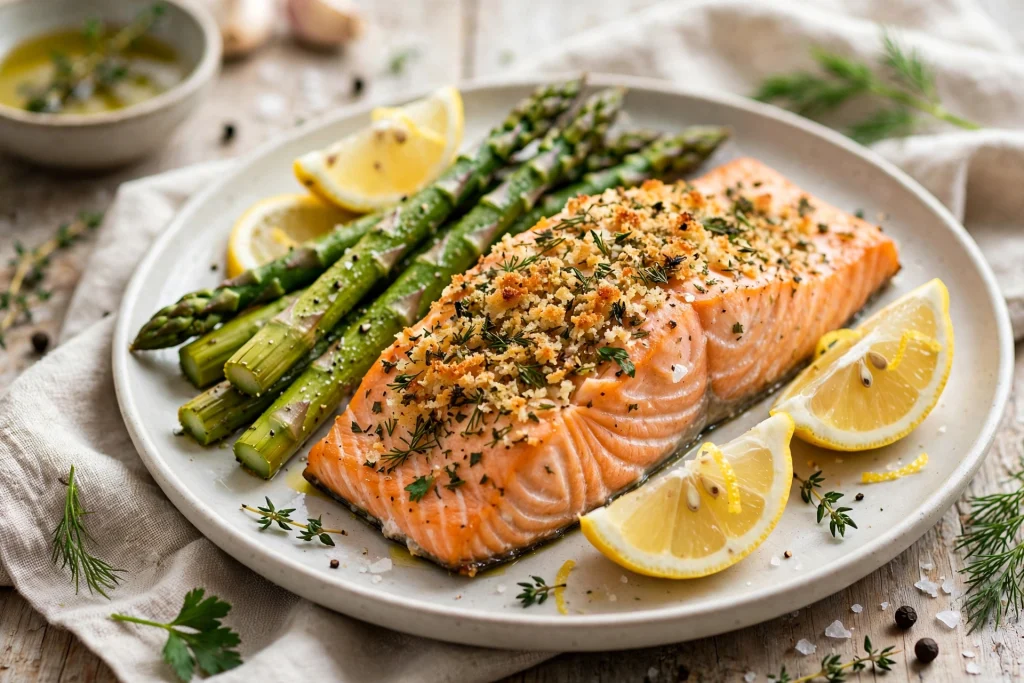
1. Salmon
Importance During Pregnancy
Salmon is one of the richest sources of both DHA and EPA, making it a top choice for supporting fetal brain and eye development. It’s also an excellent source of high-quality protein and vitamin D, both important for a healthy pregnancy.
Nutrition Facts (per 100g, cooked)
- Calories: 208 kcal
- DHA + EPA: ~2,000 mg
- Protein: 20 g
- Vitamin D: 570 IU
Recommended Amount
2 to 3 servings (about 100-150g each) per week, choosing wild-caught or farmed salmon known to be lower in mercury.
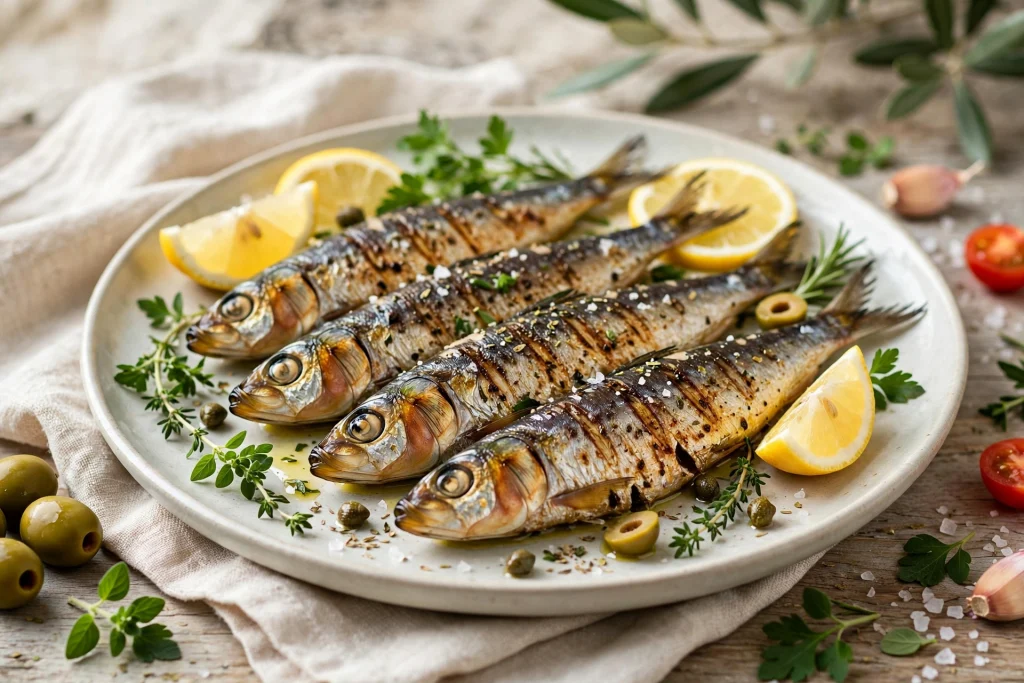
2. Sardines
Importance During Pregnancy
Sardines are small, oily fish packed with omega-3s, calcium, and vitamin D. Because they’re low on the food chain, they typically contain much lower mercury levels than larger fish, making them a particularly safe choice during pregnancy.
Nutrition Facts (per 100g)
- Calories: 208 kcal
- DHA + EPA: ~1,480 mg
- Calcium: 382 mg
- Vitamin B12: 8.9 mcg
Recommended Amount
2 to 3 servings per week (about 100g each), fresh, canned in olive oil, or grilled.
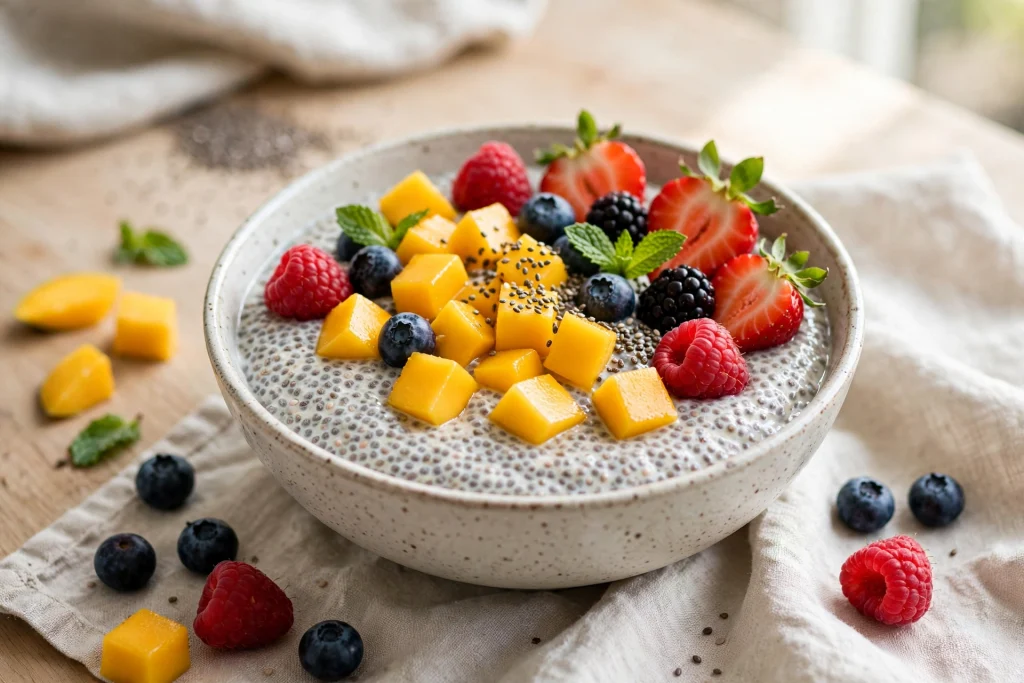
3. Chia Seeds
Importance During Pregnancy
Chia seeds are one of the best plant-based sources of ALA (alpha-linolenic acid), a type of omega-3 the body can partially convert to DHA and EPA. They’re also high in fiber, which helps ease pregnancy-related constipation, and provide a good source of plant protein.
Nutrition Facts (per 100g)
- Calories: 486 kcal
- ALA Omega-3: ~17,800 mg
- Fiber: 34 g
- Calcium: 631 mg
Recommended Amount
1 to 2 tablespoons (about 15-30g) per day, added to smoothies, yogurt, oatmeal, or made into chia pudding.
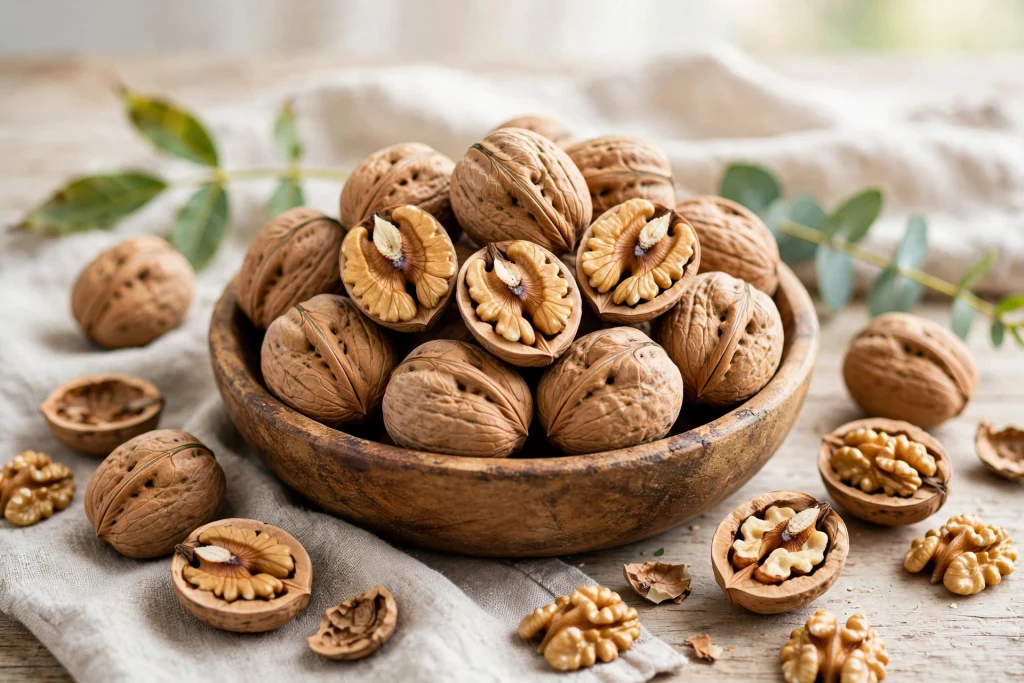
4. Walnuts
Importance During Pregnancy
Walnuts are a convenient, plant-based source of ALA omega-3s, along with vitamin E and healthy fats that support cognitive development. They make an easy, portable snack that requires no preparation.
Nutrition Facts (per 100g)
- Calories: 654 kcal
- ALA Omega-3: ~9,080 mg
- Vitamin E: 0.7 mg
- Healthy fats: 65 g
Recommended Amount
A small handful (about 30g, roughly 7 whole walnuts) per day.
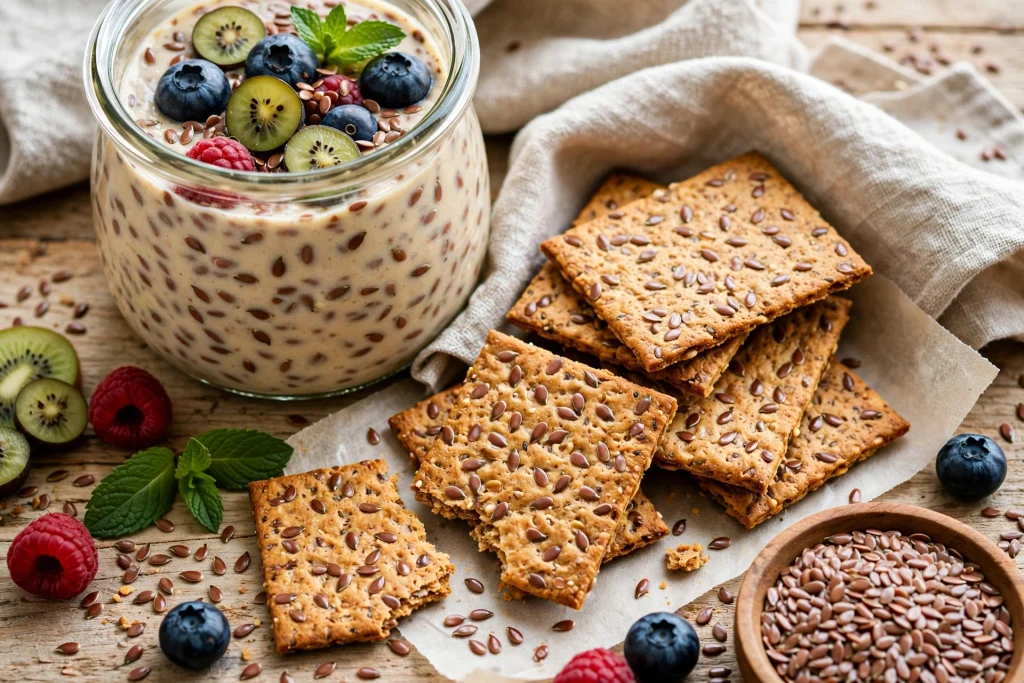
5. Flaxseed
Importance During Pregnancy
Ground flaxseed is exceptionally high in ALA omega-3s and lignans, plant compounds with antioxidant properties. Grinding flaxseed (rather than using whole seeds) helps the body absorb its nutrients more effectively.
Nutrition Facts (per 100g, ground)
- Calories: 534 kcal
- ALA Omega-3: ~22,800 mg
- Fiber: 27 g
- Lignans: high concentration
Recommended Amount
1 to 2 tablespoons (about 10-20g) of ground flaxseed per day, stirred into oatmeal, smoothies, or baked goods.
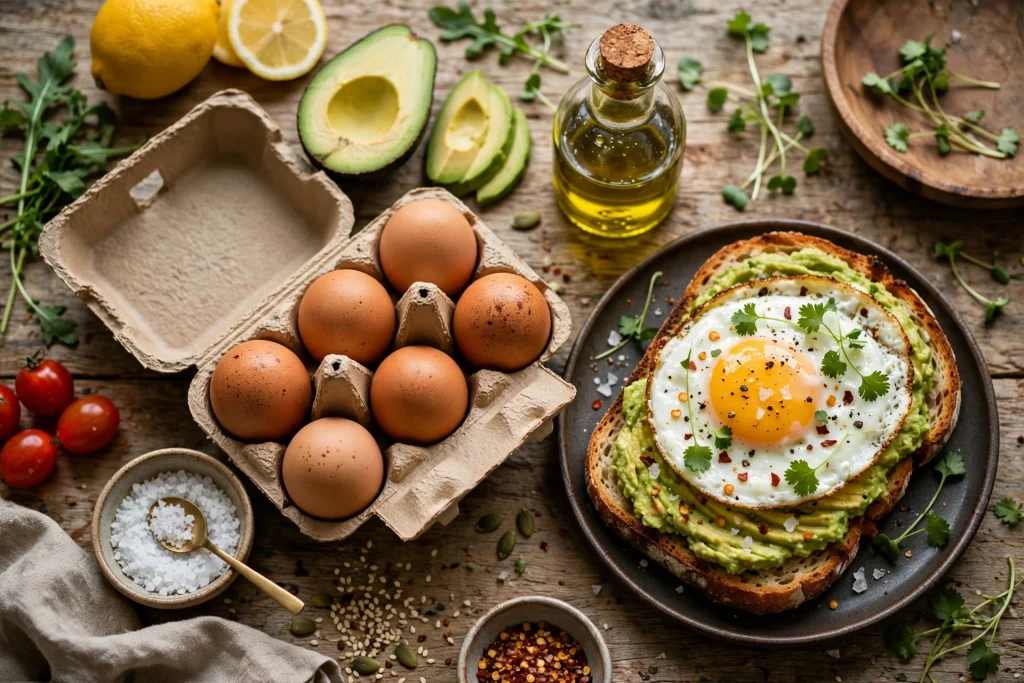
6. DHA-Fortified Eggs
Importance During Pregnancy
Eggs fortified with DHA (from hens fed an omega-3-enriched diet) provide a direct source of DHA along with choline, another nutrient essential for fetal brain development. This combination makes DHA eggs a particularly efficient breakfast choice during pregnancy.
Nutrition Facts (per 2 large eggs, DHA-fortified)
- Calories: 140 kcal
- DHA: 150-200 mg
- Choline: ~250 mg
- Protein: 12 g
Recommended Amount
1 to 2 DHA-fortified eggs per day, fully cooked (avoid raw or undercooked eggs during pregnancy).
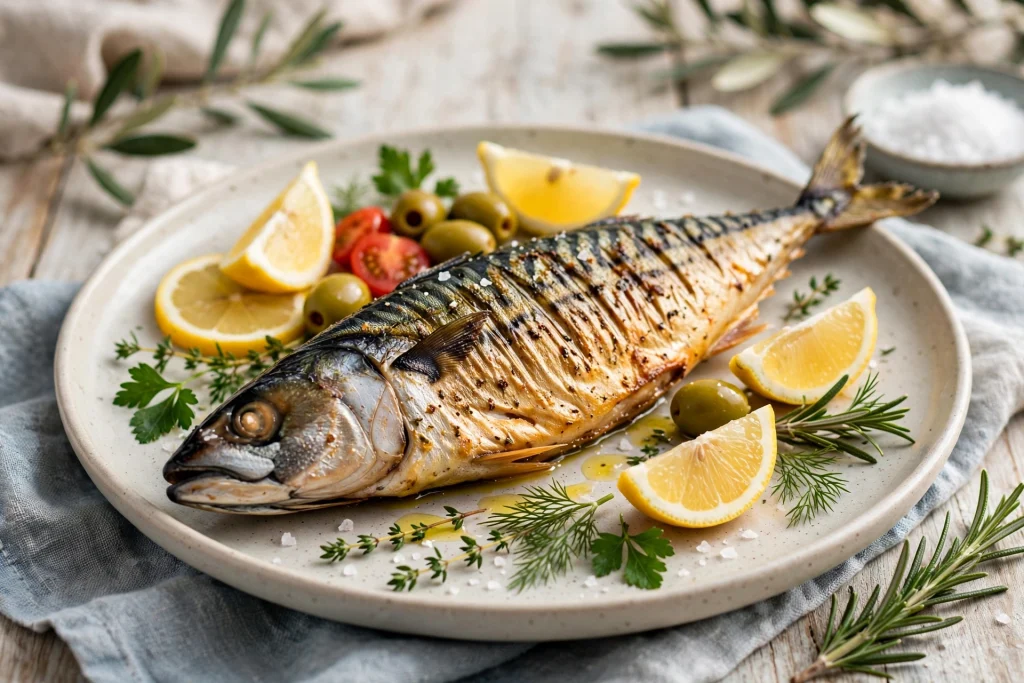
7. Mackerel
Importance During Pregnancy
Mackerel is among the highest DHA/EPA-containing fish, along with a strong dose of vitamin B12 and selenium, which support red blood cell formation and immune function. Choose smaller mackerel species (such as Atlantic mackerel), as king mackerel is high in mercury and should be avoided during pregnancy.
Nutrition Facts (per 100g, Atlantic mackerel)
- Calories: 205 kcal
- DHA + EPA: ~2,500 mg
- Vitamin B12: 8.7 mcg
- Selenium: 44 mcg
Recommended Amount
1 to 2 servings per week (about 100g each), avoiding king mackerel specifically due to high mercury content.
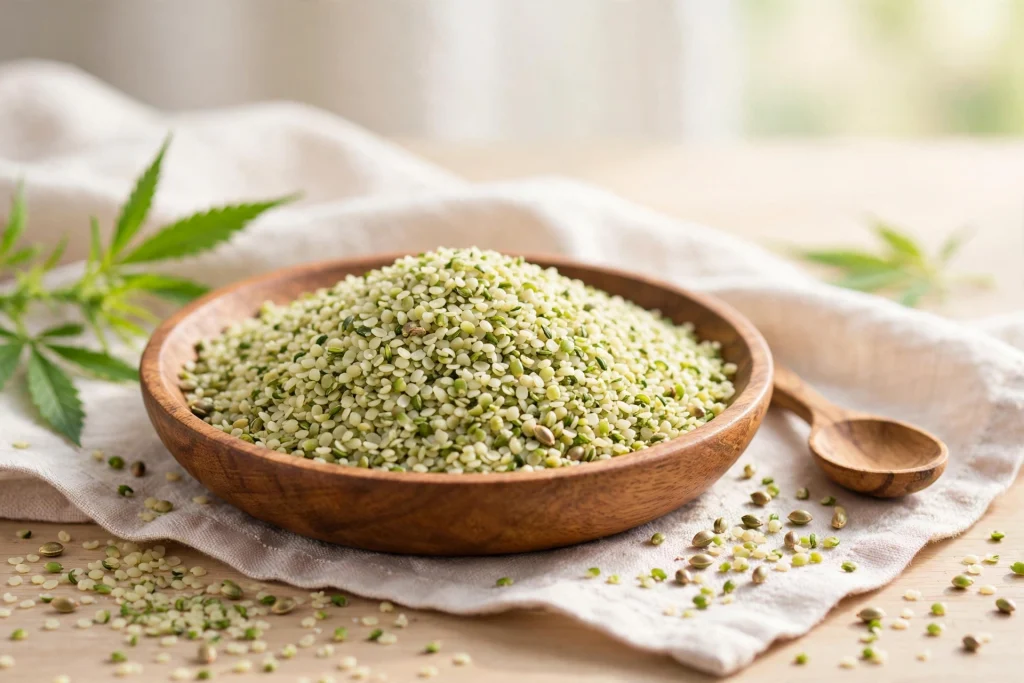
8. Hemp Seeds (Hemp Hearts)
Importance During Pregnancy
Hemp seeds provide a well-balanced ratio of omega-3 and omega-6 fatty acids along with plant protein and magnesium. They’re easy to sprinkle onto smoothies, yogurt, or salads without altering flavor significantly.
Nutrition Facts (per 100g)
- Calories: 553 kcal
- ALA Omega-3: ~8,700 mg
- Protein: 31 g
- Magnesium: 700 mg
Recommended Amount
1 to 2 tablespoons (about 10-20g) per day.
9. Anchovies
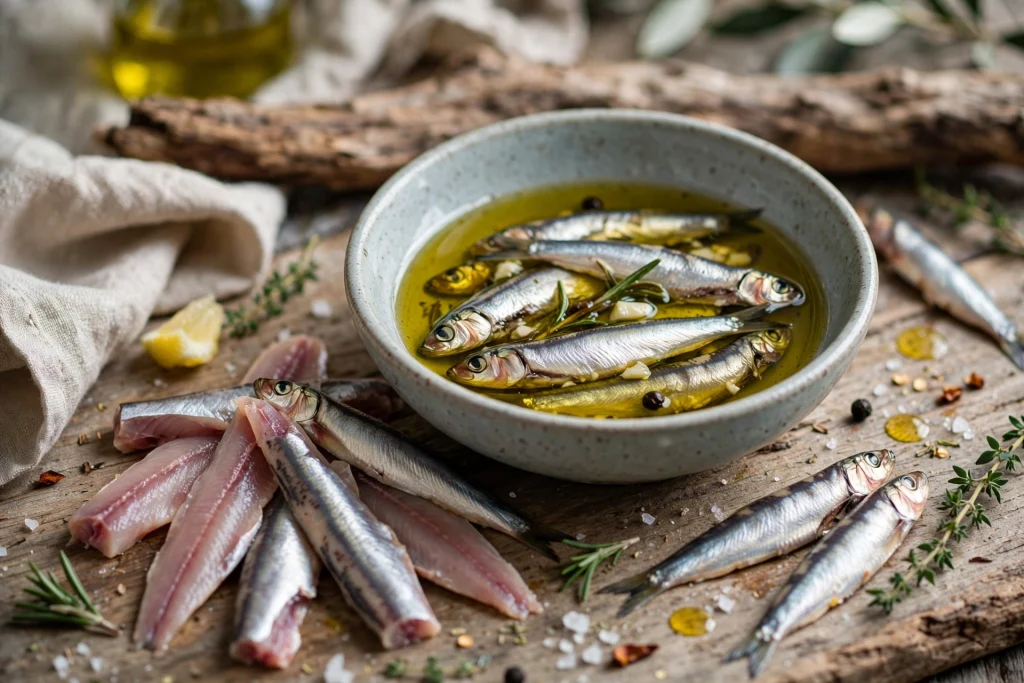
Importance During Pregnancy
Anchovies are small, mercury-safe fish that pack a concentrated dose of omega-3s along with calcium and other minerals. Their strong flavor means a little goes a long way, making them easy to incorporate into meals like pasta, salads, or crostini.
Nutrition Facts (per 100g)
- Calories: 210 kcal
- DHA + EPA: ~1,750 mg
- Calcium: 232 mg
- Iron: 4.6 mg
Recommended Amount
2 to 3 servings per week (a small portion, about 30-50g, is usually enough given their concentrated flavor).
10. Trout
Importance During Pregnancy
Trout is a lean, DHA-rich fish similar to salmon but generally lower in mercury, making it an excellent everyday option. It provides high-quality protein along with potassium, supporting the mother’s cardiovascular health during pregnancy.
Nutrition Facts (per 100g, cooked)
- Calories: 190 kcal
- DHA + EPA: ~1,000 mg
- Protein: 26 g
- Potassium: 463 mg
Recommended Amount
2 to 3 servings per week (about 100-150g each), baked, grilled, or herb-crusted.
General Tips for Getting Enough Omega-3s During Pregnancy
- Choose low-mercury fish: Salmon, sardines, trout, anchovies, and Atlantic mackerel are all considered low-mercury choices safe for regular consumption during pregnancy. Avoid high-mercury fish such as king mackerel, shark, swordfish, and tilefish.
- Combine animal and plant sources: Fish provides DHA and EPA directly, while plant sources like chia, flax, walnuts, and hemp provide ALA, which the body converts to DHA and EPA (though less efficiently). Combining both types helps ensure adequate intake.
- Cook fish thoroughly: Always cook fish to a safe internal temperature during pregnancy, and avoid raw or undercooked seafood such as sushi made with raw fish.
- Consider a prenatal DHA supplement: Many prenatal vitamins include DHA, and a doctor may recommend an additional omega-3 supplement if dietary intake is low — this is worth discussing at a prenatal visit.
- Watch portion sizes with nuts and seeds: While nutrient-dense, nuts and seeds are also calorie-dense, so stick to recommended handful-sized portions.
Note: This information is for general educational purposes. Always consult your doctor or a registered dietitian regarding fish safety, mercury exposure, and appropriate omega-3 intake based on your individual pregnancy needs.