Getting a toddler to eat vegetables can feel like a full-time negotiation, which is exactly why these Hidden Veggie Cheesy Zucchini Mini Muffins have become such a lifesaver in many households. Grated zucchini disappears almost entirely into a soft, cheesy, savory muffin batter, meaning the vegetable that would otherwise sit untouched on a plate gets happily eaten without a second thought.
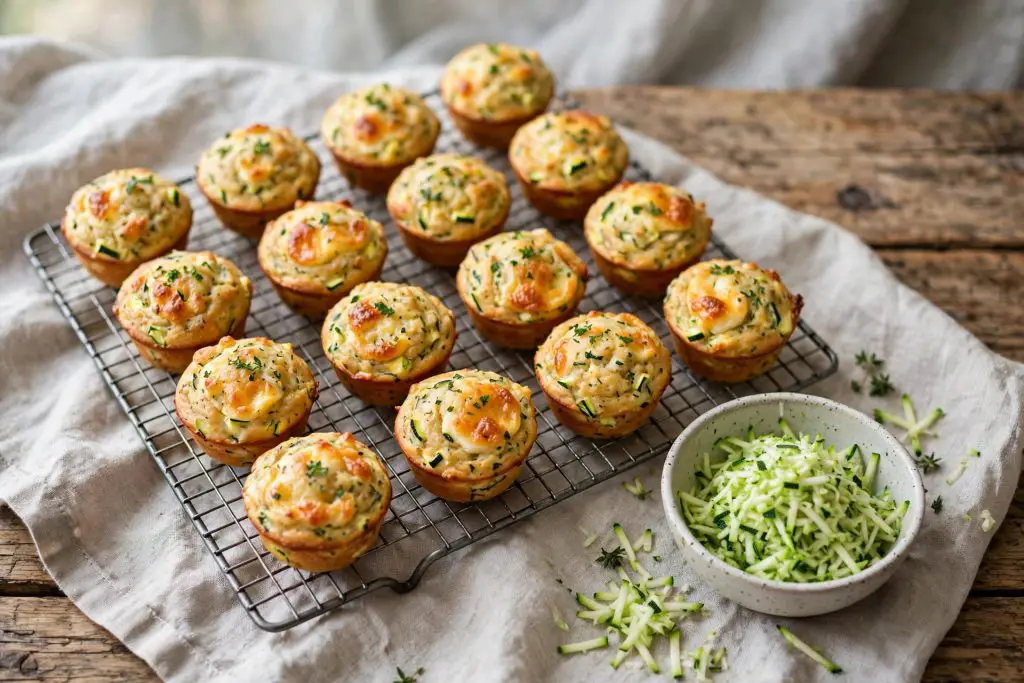
Baked in a mini muffin tin for the perfect toddler-sized bite, these muffins are easy to hold, easy to pack, and easy to love — a genuinely sneaky way to add an extra serving of vegetables to your child’s day.
Why It’s Good for Little Ones
Zucchini is a mild, watery vegetable that blends into baked goods with almost no detectable flavor or texture once grated and cooked, which makes it one of the easiest vegetables to “hide” successfully. Despite its mild taste, zucchini contributes fiber, vitamin C, and potassium, giving these muffins real nutritional value beyond just being a cheesy snack.
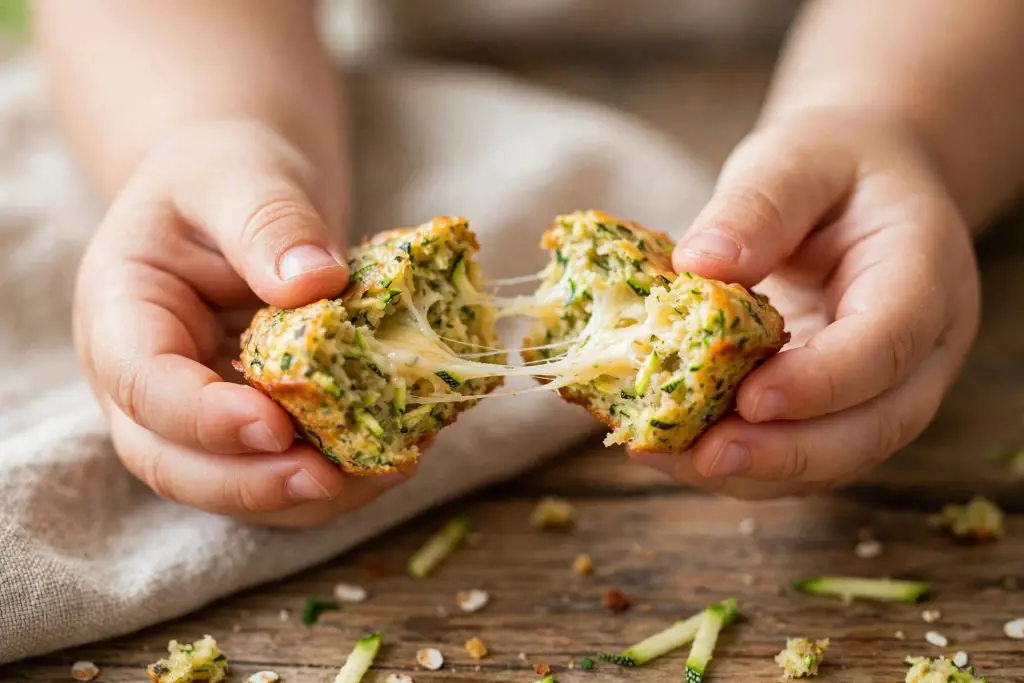
Cheese, the other star ingredient, provides calcium and protein — both important for a growing toddler’s bone development and overall growth. The savory, cheesy flavor is also generally a big hit with young kids, who often gravitate toward familiar, comforting flavors, making this a much easier sell than a plain vegetable side dish.
Because these muffins combine a vegetable, cheese, egg, and a modest amount of flour, they offer a more balanced bite than a purely carbohydrate-based snack like crackers or plain bread. The protein and fat from the cheese and egg help slow digestion, supporting steadier energy levels between meals rather than a quick spike and subsequent hunger soon after eating.
The mini muffin format itself is also intentional: toddlers tend to do better with small, manageable portions they can hold and self-feed, and a mini muffin is naturally sized for little hands and appetites, reducing the frustration that can come from a larger portion feeling overwhelming.
Ingredients & Substitutes
- 1 cup grated zucchini, moisture squeezed out — yellow squash can be substituted using the same method, or a mix of both for variety.
- 1 cup shredded cheese (cheddar, mozzarella, or a blend) — mild cheddar is often the most toddler-approved option, though any melting cheese works well.
- 1 cup all-purpose flour (or whole wheat flour for extra fiber) — a gluten-free 1:1 baking blend can be substituted if needed.
- 1 tsp baking powder — provides lift for a soft, fluffy texture.
- ¼ tsp salt — balances the savory flavor.
- 2 eggs — help bind the batter and add protein.
- ¼ cup milk of choice — adds moisture to the batter.
- 2 tbsp melted butter or olive oil — contributes richness and moisture.
- Optional: a pinch of garlic powder or dried herbs (like oregano or basil) for older toddlers who tolerate more flavor.
Step-by-Step Instructions
- Prepare the zucchini. Grate the zucchini using a box grater, then place it in a clean kitchen towel or several layers of paper towel and squeeze firmly to remove as much excess liquid as possible. This step is essential — skipping it will make the muffins dense, soggy, and prone to falling apart.
- Preheat the oven to 350°F (175°C) and grease a mini muffin tin or line it with mini paper liners.
- Mix the dry ingredients. In a large bowl, whisk together the flour, baking powder, and salt.
- Mix the wet ingredients. In a separate bowl, whisk the eggs, milk, and melted butter together until combined.
- Combine wet and dry. Pour the wet ingredients into the dry ingredients and stir just until combined — a few lumps are fine, and overmixing can make the muffins tougher.
- Fold in the zucchini and cheese. Gently fold in the squeezed zucchini and shredded cheese until evenly distributed throughout the batter.
- Fill the muffin tin. Spoon the batter into the prepared mini muffin cups, filling each about two-thirds full.
- Bake. Bake for 12–14 minutes, until the muffins are golden on top and a toothpick inserted into the center comes out clean.
- Cool before serving. Let the muffins cool in the tin for 5 minutes, then transfer to a wire rack to cool completely, especially important for toddlers since the cheese inside stays hot longer than the muffin exterior suggests. This recipe makes about 24 mini muffins.
Nutritional Facts (per mini muffin, ~24 muffins)
Calories: 45 | Carbs: 4g | Fiber: 0.5g | Sugar: 0.5g | Fat: 2.5g | Protein: 2g
Baker’s Tips
- Squeeze the zucchini thoroughly: This is the single most important step for texture — even a small amount of extra moisture left in the zucchini can make the muffins gummy rather than light and fluffy.
- Use mini muffin liners for easy packing: Liners make these muffins simple to grab straight from the fridge and toss into a lunchbox without extra prep.
- Storage: Store in an airtight container in the refrigerator for up to 5 days.
- Freezing: These freeze exceptionally well — freeze in a single layer first, then transfer to a freezer bag for up to 3 months. Thaw at room temperature for about 20 minutes or warm briefly before serving.
- Batch cooking: Double the recipe on a weekend and freeze in individual portions for a ready-to-go toddler snack all week long.
Frequently Asked Questions (FAQ)
Will my toddler be able to taste the zucchini? Once properly squeezed of excess moisture and baked into the batter, zucchini has a very mild flavor that’s almost entirely masked by the cheese, making it genuinely difficult to detect.
Can I use a regular-sized muffin tin instead of mini? Yes — bake in a standard muffin tin for about 18–20 minutes instead, keeping in mind that standard-sized muffins may be a bit large for very young toddlers to manage in one sitting.
Can I add other hidden vegetables to this recipe? Yes — finely grated carrot pairs well with zucchini in this recipe and adds a bit of natural sweetness along with extra fiber and vitamin A.
Why did my muffins turn out soggy in the middle? This is almost always due to not squeezing enough liquid out of the grated zucchini before mixing it into the batter — take the time to press out as much moisture as possible.
Are these a good option for baby-led weaning? Once a child is eating solid finger foods and has no known allergies to the ingredients, the soft texture and toddler-sized portions can make these a reasonable option, though it’s always best to check with your pediatrician about specific readiness and portion guidance.
🐦 Kicau Mania
Nikmati suara burung terbaik setiap hari! Rawat, latih, dan cintai burung kicauanmu.