A collection of 9 low-glycemic oat cookies, each built around rolled oats, fiber-rich mix-ins, and sugar substitutes to help keep blood sugar steady. Every recipe below includes why it works for diabetics, exact ingredients with substitutes, step-by-step instructions, nutrition facts, storage tips, and answers to common questions. As always, this guide is informational — check with a doctor or dietitian before making major dietary changes if you’re managing diabetes.
1. Golden Flax & Chia Oat Cookie — A Low-Glycemic, Omega-3-Rich Oat Cookie
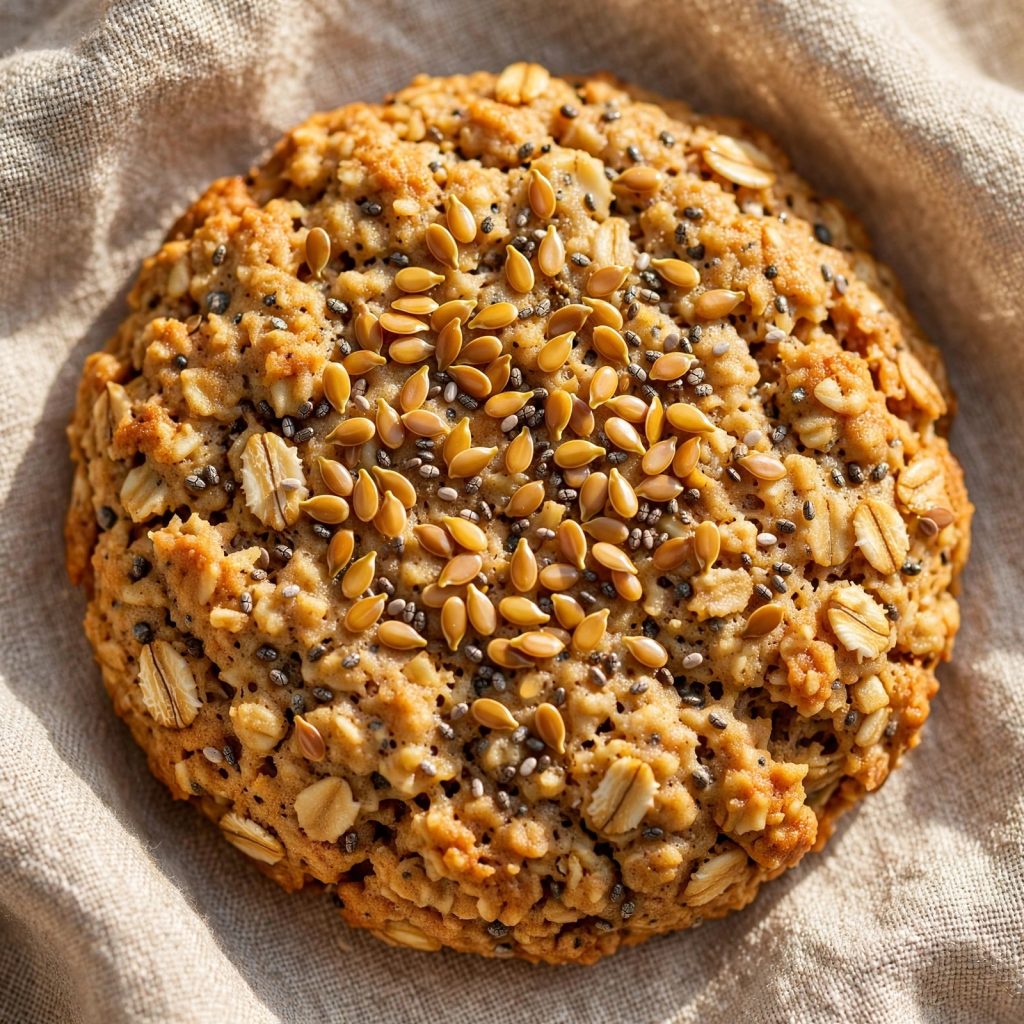
Introduction These cookies pack two of the best fiber-and-omega-3 sources — flaxseed and chia — into a soft, chewy oat base. They’re an easy way to add heart-healthy fats to a snack that already treats your blood sugar gently.
Why It’s Good for Diabetics Ground flax and chia are rich in soluble fiber and omega-3 fats, both of which slow gastric emptying and blunt post-meal glucose spikes. Rolled oats contribute beta-glucan fiber, a compound specifically studied for improving insulin response.
Ingredients & Substitutes
- 1 ½ cups rolled oats (old-fashioned; substitute gluten-free oats if needed)
- ½ cup almond flour
- 2 tbsp ground flaxseed
- 1 tbsp chia seeds
- ⅓ cup erythritol (or allulose)
- ¼ cup unsweetened applesauce (or mashed banana for a fruitier note)
- 2 tbsp melted coconut oil (or butter)
- 1 egg
- ½ tsp baking soda
- ½ tsp cinnamon
Step-by-Step Instructions
- Preheat oven to 350°F (175°C); line a baking sheet with parchment.
- Whisk egg, applesauce, coconut oil, and erythritol in a bowl.
- Stir in oats, almond flour, flaxseed, chia seeds, baking soda, and cinnamon until combined.
- Let the dough rest 5 minutes so the chia can absorb moisture and thicken slightly.
- Drop spoonfuls onto the sheet, flatten gently.
- Bake 11–13 minutes until edges are golden. Cool on the sheet 5 minutes before transferring.
Nutritional Facts (per cookie, ~14 cookies) Calories: 95 | Net Carbs: 6g | Fiber: 3g | Sugar: 2g | Fat: 6g | Protein: 3g
Baker’s Tips Store in an airtight container at room temperature up to 5 days, or freeze baked cookies up to 3 months. The dough can also be frozen in pre-portioned balls and baked straight from frozen (add 1–2 minutes).
FAQ Can I skip the chia seeds? Yes, just add an extra tablespoon of flaxseed or oats to keep the texture. Will these taste “seedy”? The seeds are mild and mostly add texture, not strong flavor.
2. Walnut Crunch Oat Cookie — A Fiber-and-Healthy-Fat Oat Cookie for Blood Sugar Balance
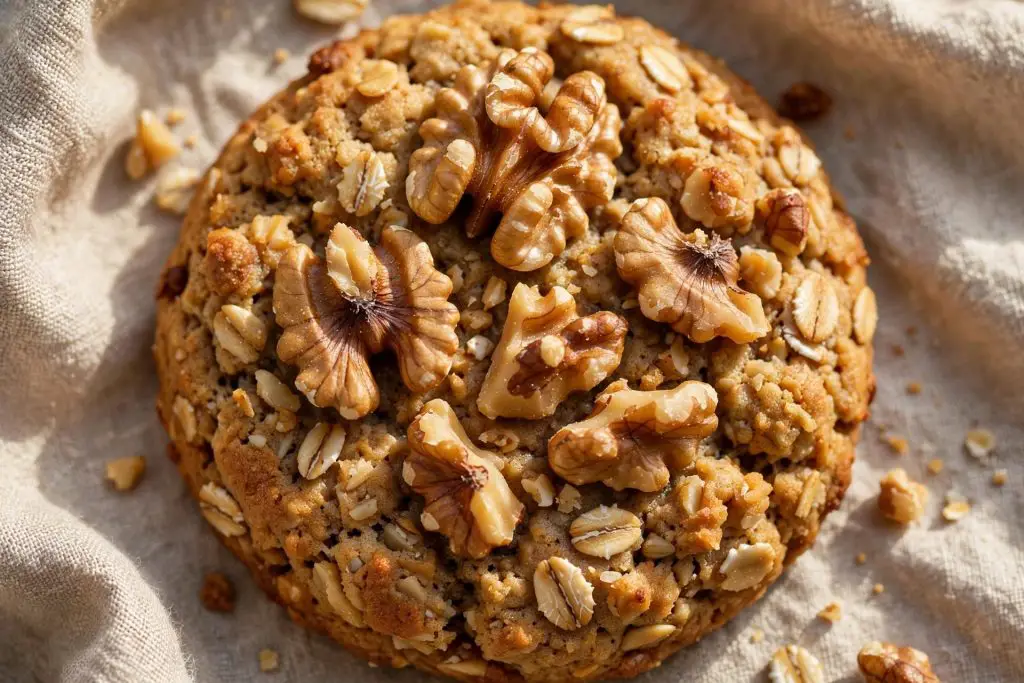
Introduction A hearty, crunchy cookie built around toasted walnuts, giving you a satisfying bite alongside the classic oat chew.
Why It’s Good for Diabetics Walnuts are one of the few nuts rich in alpha-linolenic acid (a plant omega-3), and their fat and fiber combination helps slow carbohydrate digestion, supporting steadier blood sugar after eating.
Ingredients & Substitutes
- 1 ½ cups rolled oats
- ½ cup almond flour
- ½ cup walnuts, chopped (pecans work as a substitute)
- ⅓ cup erythritol
- ¼ cup melted butter (or coconut oil)
- 1 egg
- ½ tsp baking soda
- ¼ tsp salt
Step-by-Step Instructions
- Preheat oven to 350°F (175°C). Toast walnuts 5 minutes for deeper flavor, then cool slightly.
- Whisk egg, melted butter, and erythritol together.
- Stir in oats, almond flour, baking soda, and salt.
- Fold in toasted walnuts.
- Scoop onto a lined sheet, flatten slightly.
- Bake 10–12 minutes until edges are golden brown.
Nutritional Facts (per cookie, ~14 cookies) Calories: 110 | Net Carbs: 6g | Fiber: 2g | Sugar: 1g | Fat: 8g | Protein: 3g
Baker’s Tips Keeps well at room temperature for up to a week in an airtight container; freezes well up to 3 months. Toasting the walnuts beforehand makes a noticeable difference in flavor.
FAQ Can I use raw walnuts instead of toasted? Yes, though toasting brings out more flavor and crunch. Are these nut-free adaptable? Swap walnuts for extra oats or sunflower seeds if you have a nut allergy.
3. Almond & Zest Oat Cookie — A Bright, Low-Sugar Oat Cookie with Healthy Fats

Introduction Toasted almonds and citrus zest brighten up this soft oat cookie, giving it a fresh, slightly floral note that feels lighter than a typical dessert.
Why It’s Good for Diabetics Almonds provide fiber, protein, and monounsaturated fat, a combination shown to help moderate blood sugar response, while citrus zest adds bold flavor with zero sugar or carbs.
Ingredients & Substitutes
- 1 ½ cups rolled oats
- ½ cup almond flour
- ⅓ cup sliced almonds
- Zest of 1 orange or lemon
- ⅓ cup erythritol
- ¼ cup melted butter
- 1 egg
- ½ tsp baking soda
- ½ tsp almond extract
Step-by-Step Instructions
- Preheat oven to 350°F (175°C).
- Whisk egg, melted butter, erythritol, and almond extract together.
- Stir in oats, almond flour, baking soda, and citrus zest.
- Fold in sliced almonds, reserving a few for topping.
- Scoop onto a lined sheet, press a few reserved almond slices on top.
- Bake 10–12 minutes until lightly golden.
Nutritional Facts (per cookie, ~14 cookies) Calories: 100 | Net Carbs: 6g | Fiber: 2g | Sugar: 1g | Fat: 7g | Protein: 3g
Baker’s Tips Store airtight at room temperature up to 5 days. Zest citrus before juicing it for anything else, and freeze extra zest in small portions for future batches.
FAQ Can I use both orange and lemon zest? Yes — using half of each gives a nice balanced citrus flavor. Do I need the almond extract? It intensifies the almond flavor but can be omitted or swapped for vanilla.
4. Spirulina & Pepita Oat Cookie — A Nutrient-Dense, Green Superfood Oat Cookie
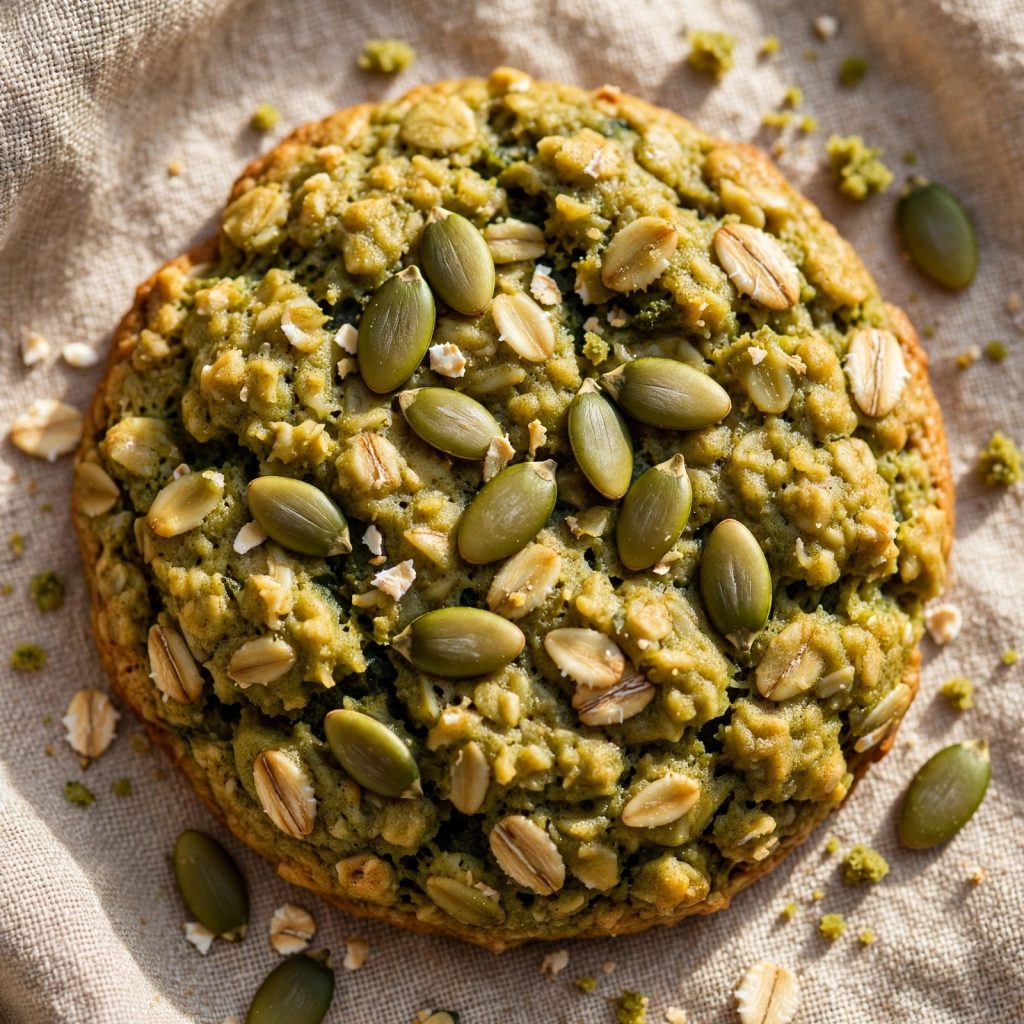
Introduction A striking green cookie made with spirulina powder and crunchy pumpkin seeds (pepitas) — an unusual but nutrient-packed twist on the classic oat cookie.
Why It’s Good for Diabetics Pumpkin seeds are rich in magnesium, a mineral linked to healthy insulin function, and spirulina is a low-carb, nutrient-dense algae that adds protein and micronutrients without adding sugar.
Ingredients & Substitutes
- 1 ½ cups rolled oats
- ½ cup almond flour
- ⅓ cup pepitas (pumpkin seeds), plus extra for topping
- 1 tsp spirulina powder
- ⅓ cup erythritol
- ¼ cup melted coconut oil
- 1 egg
- ½ tsp baking soda
Step-by-Step Instructions
- Preheat oven to 350°F (175°C).
- Whisk egg, coconut oil, and erythritol together.
- Sift in spirulina powder, then stir in oats, almond flour, and baking soda.
- Fold in pepitas.
- Scoop onto a lined sheet, press a few extra pepitas on top.
- Bake 10–12 minutes until edges are set (color stays greenish, so judge doneness by the edges).
Nutritional Facts (per cookie, ~14 cookies) Calories: 100 | Net Carbs: 6g | Fiber: 2g | Sugar: 1g | Fat: 7g | Protein: 3g
Baker’s Tips Store airtight up to 5 days; the green color may fade slightly over time but flavor stays the same. Start with less spirulina if you’re new to its taste — it has an earthy, slightly ocean-like note.
FAQ Can I taste the spirulina? In small amounts it’s mild, but it does add a subtle earthy flavor — start with ½ tsp if unsure. What can I use instead of pepitas? Sunflower seeds work well as a substitute.
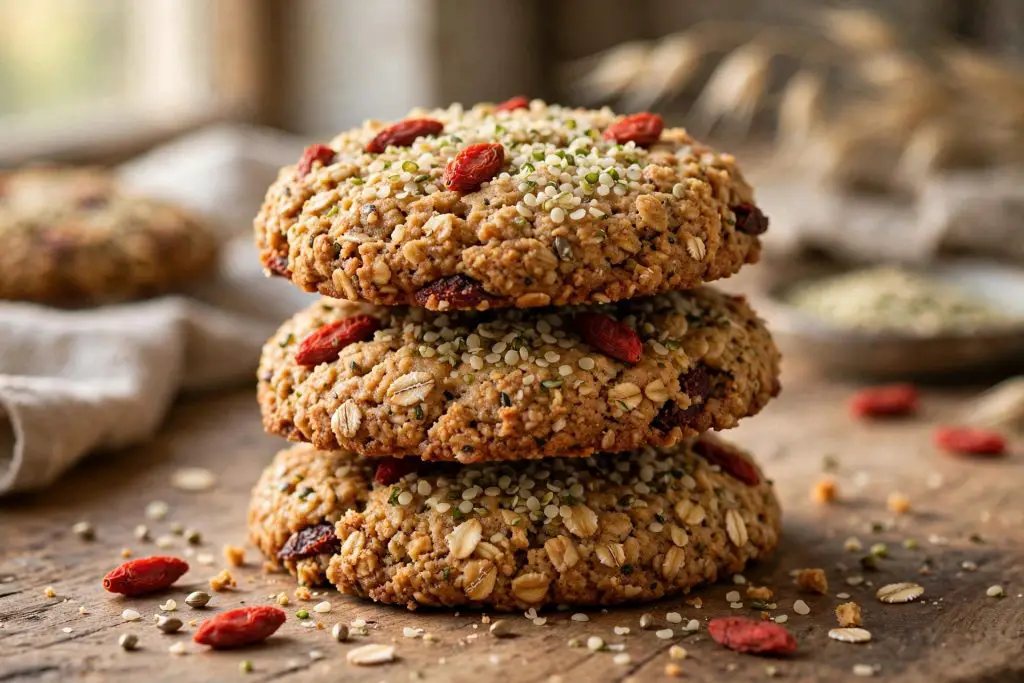
5. Hemp Heart & Goji Oat Cookie — A Protein-and-Fiber Oat Cookie for Steady Energy
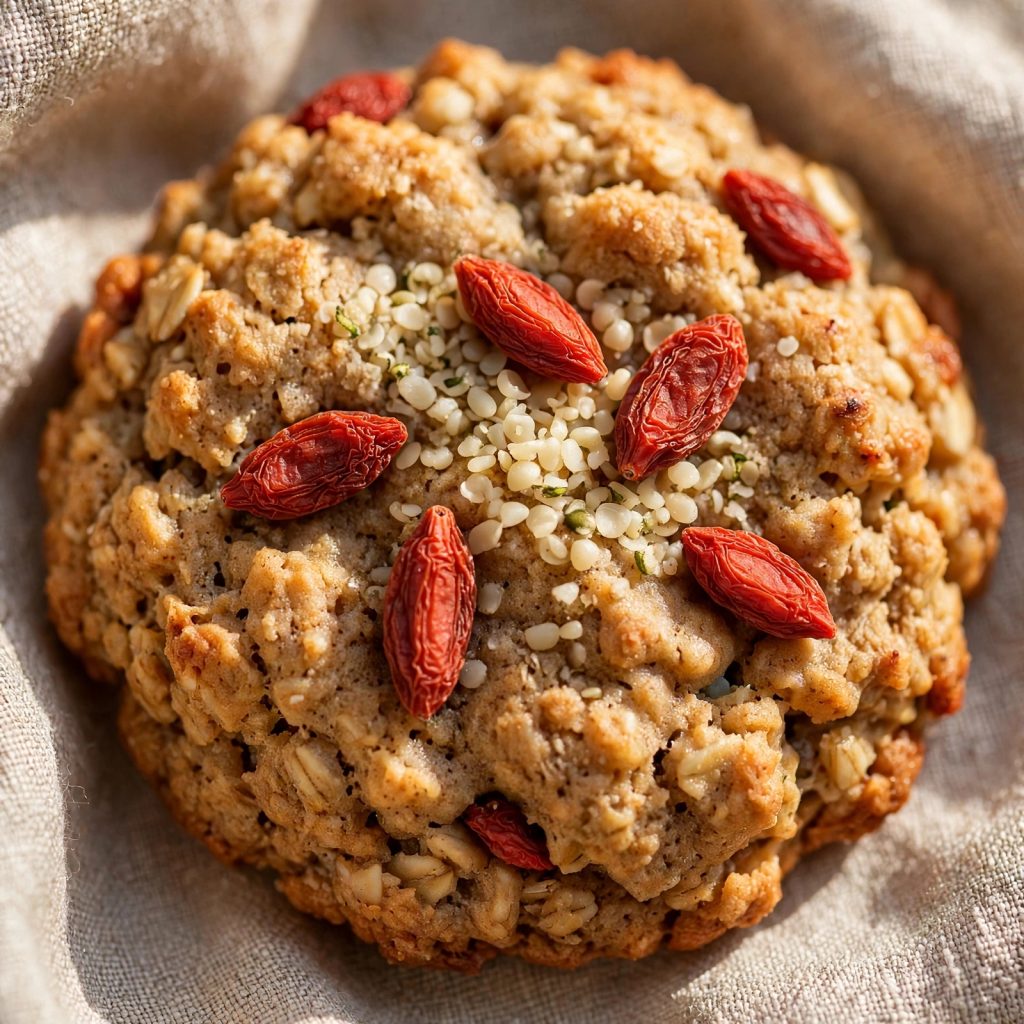
Introduction Hemp hearts add a nutty crunch and complete protein, while a small amount of goji berries brings a chewy, tart-sweet contrast to this wholesome cookie.
Why It’s Good for Diabetics Hemp hearts are a complete plant protein with fiber and healthy fats, both of which help slow digestion and moderate blood sugar response; goji berries are used sparingly to add flavor without a large sugar load.
Ingredients & Substitutes
- 1 ½ cups rolled oats
- ½ cup almond flour
- 3 tbsp hemp hearts
- 2 tbsp dried goji berries, roughly chopped
- ⅓ cup erythritol
- ¼ cup melted butter or coconut oil
- 1 egg
- ½ tsp baking soda
Step-by-Step Instructions
- Preheat oven to 350°F (175°C).
- Whisk egg, melted butter, and erythritol together.
- Stir in oats, almond flour, hemp hearts, and baking soda.
- Fold in chopped goji berries.
- Scoop onto a lined sheet, flatten slightly.
- Bake 10–12 minutes until edges are golden.
Nutritional Facts (per cookie, ~14 cookies) Calories: 100 | Net Carbs: 7g | Fiber: 2g | Sugar: 2g | Fat: 6g | Protein: 4g
Baker’s Tips Store airtight up to 5 days; freezes well up to 3 months. If goji berries seem dry, soak them in warm water for 5 minutes and pat dry before adding.
FAQ Can I substitute raisins for goji berries? Yes, though raisins carry slightly more sugar — use a similar small amount. Are hemp hearts the same as hemp seeds? Yes, “hemp hearts” refers to shelled hemp seeds.
6. Cocoa & Sunflower Oat Cookie — A Chocolatey, Nut-Free Oat Cookie
Introduction Rich cocoa powder and crunchy sunflower seeds combine for a chocolatey cookie that’s naturally nut-free, making it a good option for school lunches or nut-free households.
Why It’s Good for Diabetics Unsweetened cocoa powder has virtually no sugar and contains flavanols associated with better insulin sensitivity in some studies, while sunflower seeds add fiber, protein, and healthy fat.
Ingredients & Substitutes
- 1 ½ cups rolled oats
- ¼ cup unsweetened cocoa powder
- ⅓ cup sunflower seed flour (or oat flour if a substitute is needed)
- ⅓ cup sunflower seeds, plus extra for topping
- ⅓ cup erythritol
- ¼ cup melted coconut oil
- 1 egg (or flax egg for egg-free)
- ½ tsp baking soda
Step-by-Step Instructions
- Preheat oven to 350°F (175°C).
- Whisk egg, coconut oil, and erythritol together.
- Stir in oats, cocoa powder, sunflower seed flour, and baking soda.
- Fold in sunflower seeds.
- Scoop onto a lined sheet, press a few extra seeds on top.
- Bake 10–12 minutes until set.
Nutritional Facts (per cookie, ~14 cookies) Calories: 100 | Net Carbs: 6g | Fiber: 3g | Sugar: 1g | Fat: 7g | Protein: 3g
Baker’s Tips Store airtight up to 5 days. This recipe is naturally nut-free if you use sunflower seed flour instead of almond flour — good for school-safe baking.
FAQ Will these turn green from the sunflower seeds reacting with baking soda? Occasionally sunflower seeds can cause a greenish tint after baking due to a harmless chemical reaction — flavor is unaffected. Can I use regular cocoa powder or does it need to be “unsweetened”? Always use unsweetened cocoa powder; sweetened cocoa mixes contain added sugar.
7. Black Sesame & Apricot Oat Cookie — A Mineral-Rich, Low-Glycemic Oat Cookie
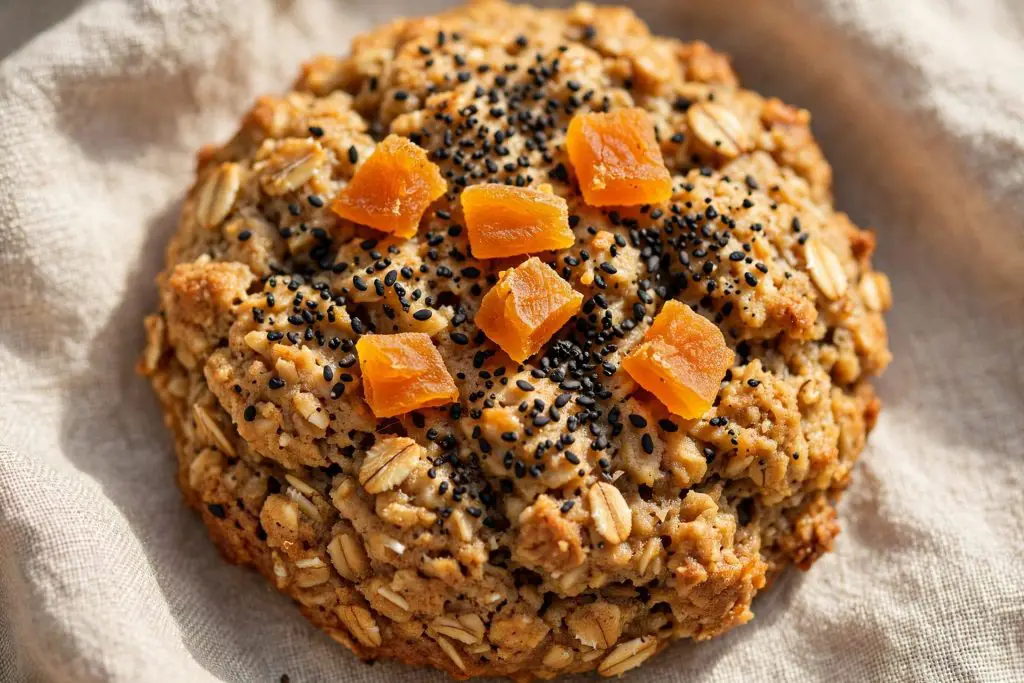
Introduction Toasted black sesame seeds bring a nutty, slightly smoky flavor, balanced by small pieces of dried apricot for a chewy, subtly sweet finish.
Why It’s Good for Diabetics Sesame seeds are a good source of magnesium and healthy fats, both linked to better insulin sensitivity, and dried apricot is used in a small enough quantity to add flavor without a significant sugar load.
Ingredients & Substitutes
- 1 ½ cups rolled oats
- ½ cup almond flour
- 2 tbsp black sesame seeds
- 2 tbsp dried apricots, finely chopped
- ⅓ cup erythritol
- ¼ cup melted butter
- 1 egg
- ½ tsp baking soda
Step-by-Step Instructions
- Preheat oven to 350°F (175°C).
- Whisk egg, melted butter, and erythritol together.
- Stir in oats, almond flour, sesame seeds, and baking soda.
- Fold in chopped apricots.
- Scoop onto a lined sheet, flatten slightly.
- Bake 10–12 minutes until edges are golden.
Nutritional Facts (per cookie, ~14 cookies) Calories: 100 | Net Carbs: 7g | Fiber: 2g | Sugar: 2g | Fat: 6g | Protein: 3g
Baker’s Tips Store airtight up to 5 days. Chop apricots small so the sugar is distributed evenly rather than concentrated in a few bites.
FAQ Can I use white sesame seeds instead of black? Yes, the flavor is very similar; black sesame is mostly for visual contrast. Are dried apricots high in sugar? They have natural sugar, which is why this recipe uses just a small amount — stick to the listed quantity.
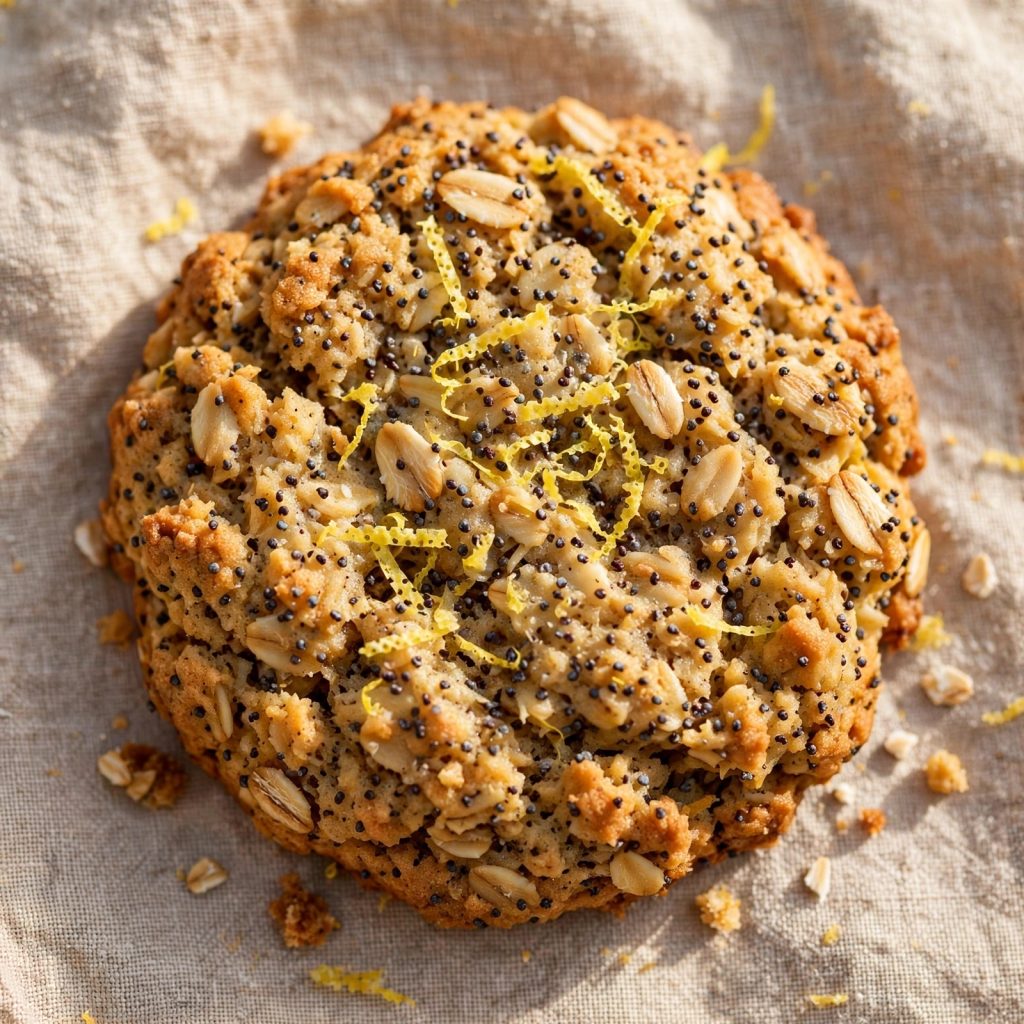
8. Lemon Poppy Seed Oat Cookie — A Bright, Low-Sugar Oat Cookie
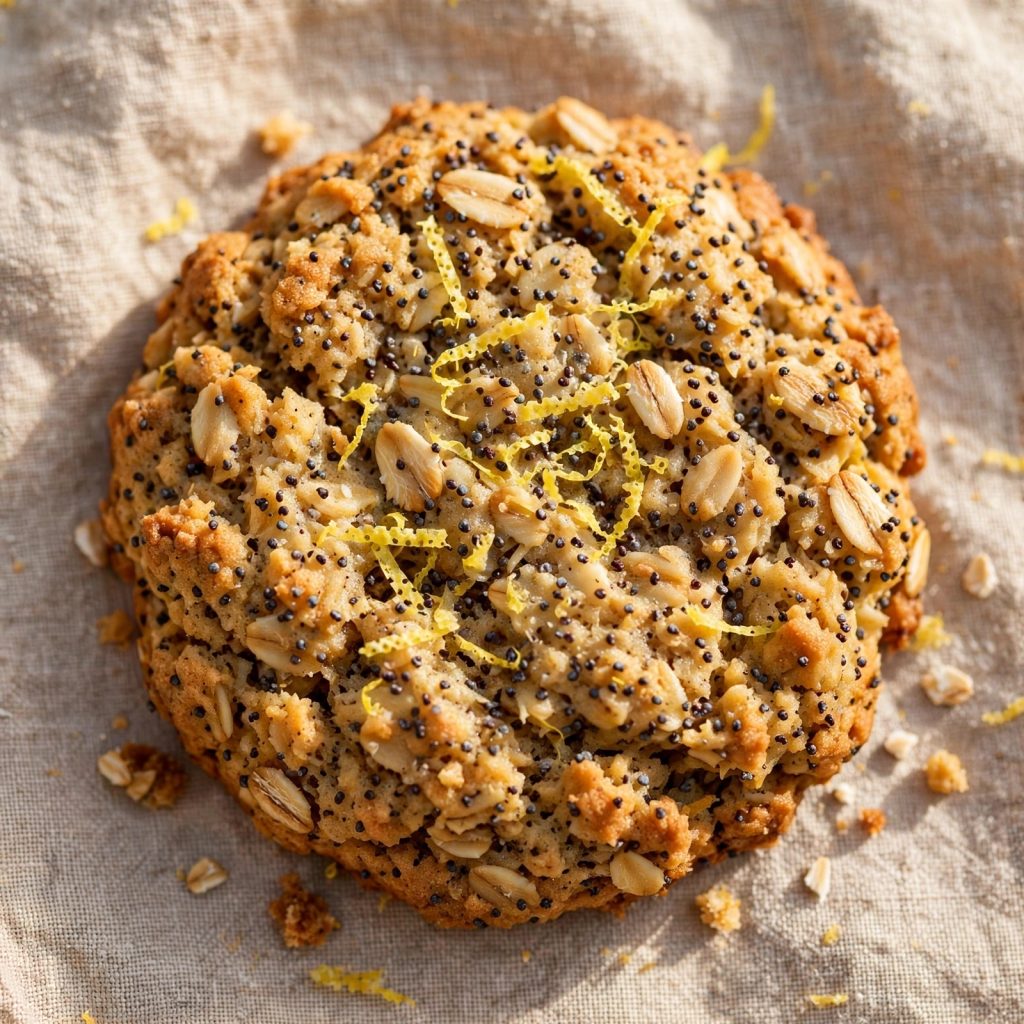
Introduction A light, zesty cookie with the classic lemon-poppy seed combination, made oat-based instead of the usual sugar-heavy muffin version.
Why It’s Good for Diabetics This cookie relies on lemon zest and extract for flavor rather than sugar, and poppy seeds add a small amount of fiber and healthy fat with negligible impact on blood sugar.
Ingredients & Substitutes
- 1 ½ cups rolled oats
- ½ cup almond flour
- 1 tbsp poppy seeds
- Zest of 1 lemon
- ⅓ cup erythritol
- ¼ cup melted butter
- 1 egg
- 1 tsp lemon extract
- ½ tsp baking soda
Step-by-Step Instructions
- Preheat oven to 350°F (175°C).
- Whisk egg, melted butter, erythritol, and lemon extract together.
- Stir in oats, almond flour, poppy seeds, lemon zest, and baking soda.
- Scoop onto a lined sheet, flatten slightly.
- Bake 10–12 minutes until edges are just golden.
Nutritional Facts (per cookie, ~14 cookies) Calories: 95 | Net Carbs: 6g | Fiber: 2g | Sugar: 1g | Fat: 6g | Protein: 3g
Baker’s Tips Store airtight up to 5 days. For extra lemon punch, add a light glaze of powdered erythritol mixed with a few drops of lemon juice once cooled.
FAQ Can I skip the lemon extract and just use zest? Yes, though the extract intensifies the flavor — zest alone will be more subtle. Do poppy seeds affect blood sugar? No, they’re primarily fiber and fat with negligible carbs.
9. Classic Whole Grain Oat Cookie — A Simple, Trusted Low-Glycemic Oat Cookie
Introduction A no-frills, classic oat cookie that keeps things simple — soft, lightly spiced, and made entirely from whole-grain oats and a touch of almond flour.
Why It’s Good for Diabetics Rolled oats are a whole grain with a low-to-medium glycemic index and high beta-glucan fiber content, which slows carbohydrate absorption and helps prevent sharp blood sugar spikes.
Ingredients & Substitutes
- 1 ¾ cups rolled oats
- ¼ cup almond flour
- ⅓ cup erythritol
- ¼ cup melted butter (or coconut oil)
- 1 egg
- ½ tsp cinnamon
- ½ tsp baking soda
- ¼ tsp salt
Step-by-Step Instructions
- Preheat oven to 350°F (175°C).
- Whisk egg, melted butter, and erythritol together.
- Stir in oats, almond flour, cinnamon, baking soda, and salt until a thick dough forms.
- Scoop onto a lined sheet, flatten slightly.
- Bake 10–12 minutes until edges are golden brown.
Nutritional Facts (per cookie, ~14 cookies) Calories: 90 | Net Carbs: 7g | Fiber: 2g | Sugar: 1g | Fat: 5g | Protein: 2g
Baker’s Tips Store airtight at room temperature up to a week, or freeze up to 3 months. This base recipe is easy to customize — add any of the mix-ins from the other recipes above.
FAQ Can I use quick oats instead of rolled oats? Yes, though the texture will be slightly less chewy and more cake-like. Is this recipe gluten-free? Yes, if you use certified gluten-free oats and almond flour.
General Notes on This Collection
- Sweeteners: Erythritol is used throughout for consistency; allulose can be substituted 1:1 for a softer texture and better browning.
- Portion control: Even low-glycemic cookies affect blood sugar in large amounts — one or two per serving is a reasonable guideline.
- Net carbs: Calculated as total carbs minus fiber and sugar alcohols, which are generally not counted toward blood sugar impact.
- Medical disclaimer: This guide is for general informational purposes and isn’t a substitute for advice from a doctor or registered dietitian, especially if you’re managing diabetes.