1. Greek Power Salad
Fresh greens with olives and feta
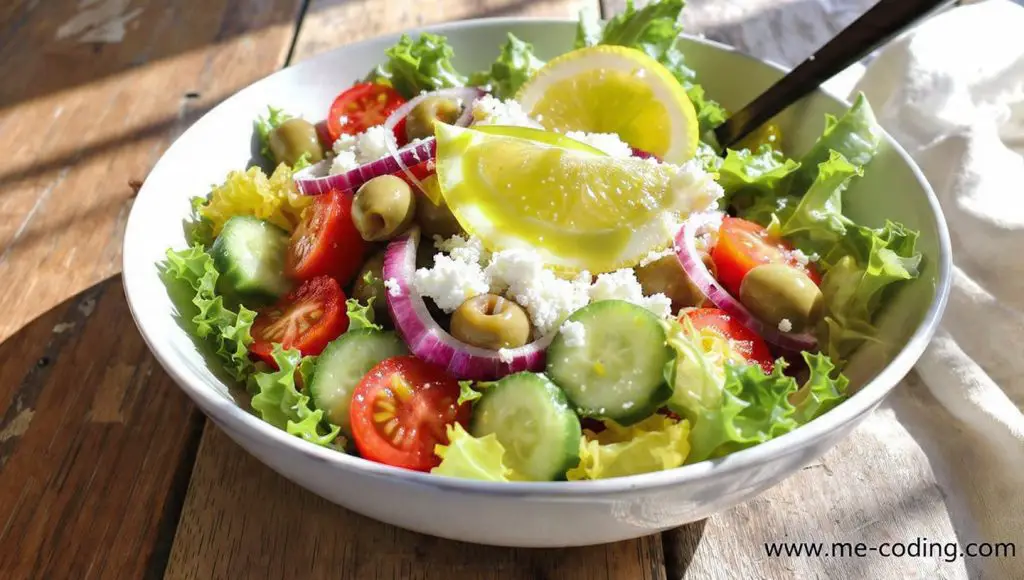
Ingredients
- 4 cups mixed greens (romaine, spinach, or arugula)
- 1 cucumber, diced
- 2 tomatoes, chopped
- ½ red onion, thinly sliced
- ½ cup kalamata olives
- ½ cup feta cheese, crumbled
- 3 tbsp olive oil
- 1 tbsp red wine vinegar
- 1 tsp dried oregano
- Salt and pepper to taste
How to Make
- Combine the greens, cucumber, tomatoes, red onion, and olives in a large bowl.
- Whisk together the olive oil, red wine vinegar, oregano, salt, and pepper.
- Pour the dressing over the salad and toss gently.
- Top with crumbled feta just before serving.
Why This Is a Diabetic-Friendly Recipe
This salad is built almost entirely around non-starchy vegetables, which have minimal impact on blood sugar and are considered “free foods” in most diabetic meal plans. The fat here comes from olive oil and feta — both sources of healthy or moderate fat that slow digestion and help prevent blood sugar spikes, rather than from refined carbohydrates. There’s no added sugar anywhere in the dressing, and the only carbohydrates present come from the vegetables themselves, which also bring fiber. As with any meal, portion size and how it’s paired with other foods (like a protein source, if this is a main dish) matters, so it’s worth checking with a doctor or dietitian about how it fits your plan.
Nutrition (per serving, 4 servings)
- Calories: ~220
- Fat: 19g
- Carbohydrates: 9g
- Fiber: 3g
- Sugar: 4g
- Protein: 6g
How to Store
Store undressed components in an airtight container in the fridge for up to 3 days. If already dressed, it’s best eaten within a few hours, since the greens will wilt; the tomatoes and cucumber also release water over time, making the salad soggy. Keep feta and dressing separate if prepping ahead.
2. Grilled Chicken Avocado Salad
High protein, low carb
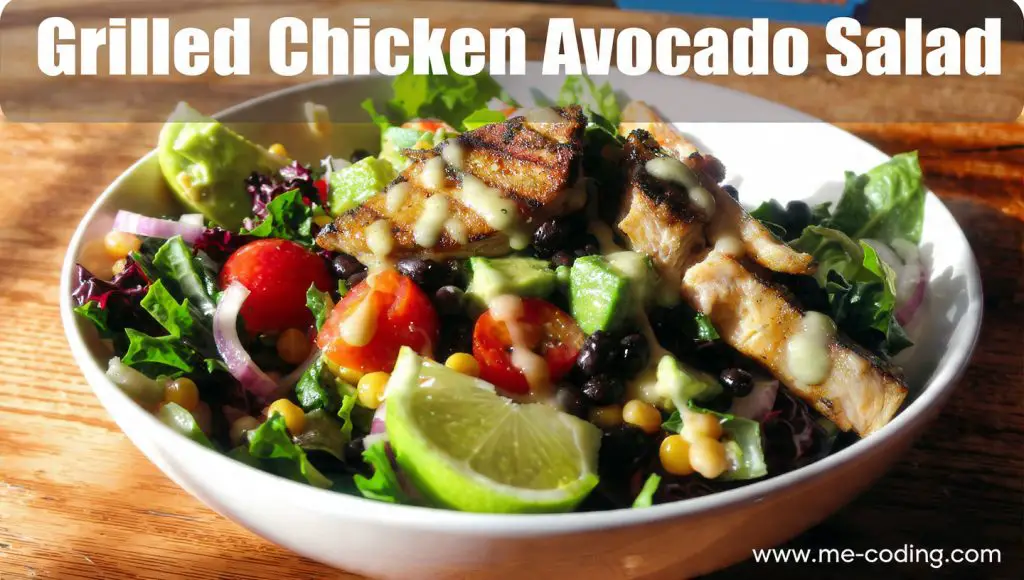
Ingredients
- 2 boneless chicken breasts
- 4 cups mixed greens
- 1 avocado, sliced
- ½ cup cherry tomatoes, halved
- ¼ cup red onion, sliced
- 2 tbsp olive oil (plus extra for grilling)
- 1 tbsp lemon juice
- Salt, pepper, garlic powder to taste
How to Make
- Season the chicken breasts with salt, pepper, and garlic powder, then grill over medium-high heat for 6–7 minutes per side until cooked through. Let rest, then slice.
- In a large bowl, combine the greens, tomatoes, and red onion.
- Whisk the olive oil and lemon juice together and drizzle over the salad.
- Top with sliced grilled chicken and avocado just before serving.
Why This Is a Diabetic-Friendly Recipe
This salad combines lean protein, healthy fat, and non-starchy vegetables — a combination that’s widely recommended for stabilizing blood sugar, since protein and fat both slow the absorption of any carbohydrates present. Grilled chicken breast is naturally low in carbs, and avocado provides heart-healthy monounsaturated fat along with fiber, without contributing meaningful sugar. There’s no added sugar in the dressing, and the overall carbohydrate count is low, making this a solid option for a main-dish salad on a diabetic meal plan. As always, individual carb tolerance varies, so it’s worth discussing portion sizes with a doctor or dietitian.
Nutrition (per serving, 2 servings)
- Calories: ~410
- Fat: 27g
- Carbohydrates: 10g
- Fiber: 6g
- Sugar: 3g
- Protein: 34g
How to Store
Store the grilled chicken separately from the greens in airtight containers in the fridge for up to 3 days. Slice the avocado fresh just before serving, since it browns quickly once cut. Keep the dressing separate and add it right before eating to prevent the greens from wilting.
3. Mediterranean Tuna Salad
Omega-3 with olive oil dressing
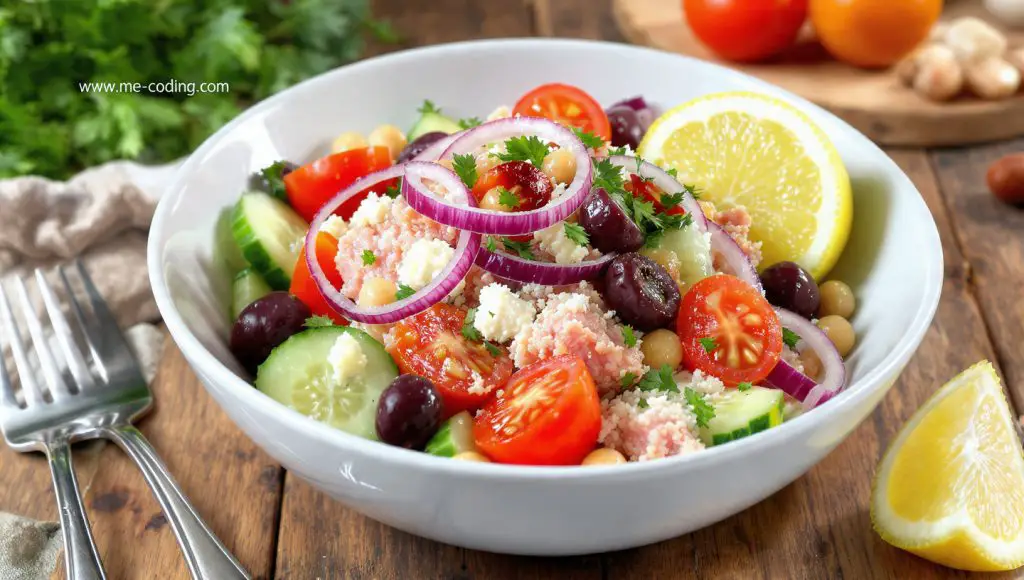
Ingredients
- 2 cans (5 oz each) tuna in water, drained
- 1 cucumber, diced
- 1 cup cherry tomatoes, halved
- ¼ cup red onion, finely chopped
- ¼ cup kalamata olives, sliced
- 3 tbsp olive oil
- 1 tbsp lemon juice
- 1 tsp dried oregano
- Salt and pepper to taste
How to Make
- Flake the drained tuna into a large bowl.
- Add the cucumber, tomatoes, red onion, and olives.
- Whisk together the olive oil, lemon juice, oregano, salt, and pepper.
- Pour over the salad, toss gently, and serve chilled.
Why This Is a Diabetic-Friendly Recipe
Tuna is a lean, high-protein food with essentially no carbohydrates, making it a strong base for a diabetes-conscious meal. The omega-3 fatty acids in tuna are also linked to better heart health, which is particularly relevant since people managing diabetes often face higher cardiovascular risk. The vegetables here are all non-starchy, contributing fiber and volume without raising blood sugar significantly, and the olive oil dressing adds healthy fat with no added sugar. This makes for a filling, satisfying salad with a minimal carbohydrate load — though as always, it’s worth checking with a doctor or dietitian about how it fits your individual plan.
Nutrition (per serving, 3 servings)
- Calories: ~230
- Fat: 15g
- Carbohydrates: 6g
- Fiber: 2g
- Sugar: 3g
- Protein: 20g
How to Store
Store in an airtight container in the fridge for up to 2 days. Because it’s already dressed, the vegetables will soften somewhat over time, but the flavors also meld nicely, so many people find it tastes even better the next day. Give it a stir before serving if any dressing has settled at the bottom.
4. Egg Veggie Salad
Fiber rich with boiled eggs
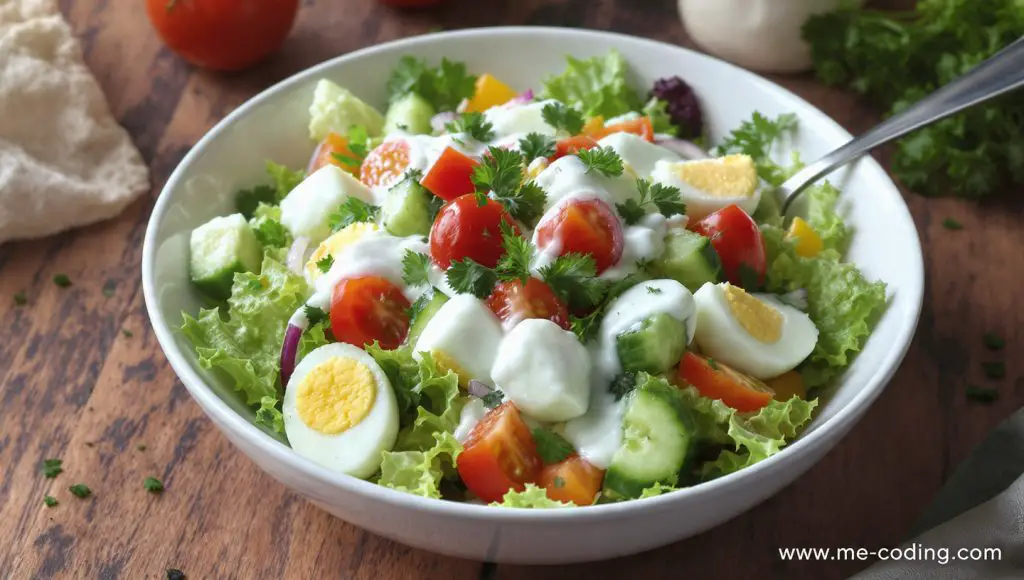
Ingredients
- 4 large eggs, hard-boiled and chopped
- 2 cups mixed greens
- 1 bell pepper, diced
- ½ cup shredded carrots
- ¼ cup cucumber, diced
- 2 tbsp Greek yogurt or olive oil
- 1 tsp mustard (if using yogurt)
- Salt and pepper to taste
How to Make
- Combine the mixed greens, bell pepper, carrots, and cucumber in a bowl.
- In a small bowl, mix the Greek yogurt (or olive oil) with mustard, salt, and pepper.
- Gently fold the chopped eggs and dressing into the vegetables.
- Serve immediately or chilled.
Why This Is a Diabetic-Friendly Recipe
Eggs are a low-carb, high-protein food that has minimal impact on blood sugar on their own, and pairing them with fiber-rich vegetables like bell pepper and carrots helps create a balanced, satisfying dish. Using plain Greek yogurt instead of a traditional mayonnaise-based dressing cuts down on unnecessary fat while adding a bit of extra protein, and there’s no added sugar in this recipe at all. The overall carbohydrate content is modest and comes mostly from the vegetables, which also bring fiber that helps slow sugar absorption. As with any meal, it’s worth checking with a doctor or dietitian about how this fits into your individual plan, especially around portion size.
Nutrition (per serving, 3 servings)
- Calories: ~170
- Fat: 11g
- Carbohydrates: 7g
- Fiber: 2g
- Sugar: 4g
- Protein: 10g
How to Store
Store in an airtight container in the fridge for up to 2 days. Because this salad contains boiled eggs and yogurt, it doesn’t hold up quite as long as some other options — it’s best eaten within this window rather than stored longer, and it’s not suitable for freezing.
5. Zucchini Feta Salad
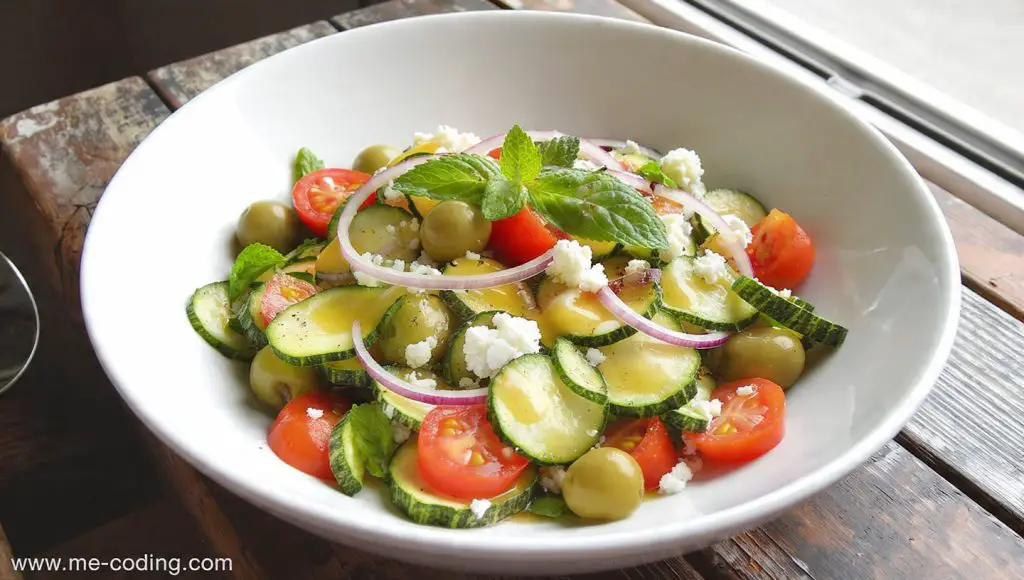
Light and sugar free
Ingredients
- 2 medium zucchinis, thinly sliced or ribboned
- ½ cup feta cheese, crumbled
- 2 tbsp fresh mint or basil, chopped
- 2 tbsp olive oil
- 1 tbsp lemon juice
- Salt and pepper to taste
How to Make
- Use a vegetable peeler or mandoline to slice the zucchini into thin ribbons.
- Place the zucchini in a bowl and drizzle with olive oil and lemon juice.
- Toss gently, then top with crumbled feta and fresh herbs.
- Season with salt and pepper and serve immediately.
Why This Is a Diabetic-Friendly Recipe
Zucchini is one of the lowest-carb vegetables available, making this salad an especially light option for anyone monitoring blood sugar closely. There’s no added sugar anywhere in the recipe, and the small amount of carbohydrate present comes entirely from the zucchini and fresh herbs. Feta cheese and olive oil provide fat that adds satiety and helps slow digestion, without contributing to blood sugar spikes. This is a good example of a truly “free” or very low-impact side salad that can be paired with a protein source for a complete diabetic-friendly meal. As always, it’s worth checking with a doctor or dietitian about how it fits your individual plan.
Nutrition (per serving, 3 servings)
- Calories: ~140
- Fat: 12g
- Carbohydrates: 4g
- Fiber: 1g
- Sugar: 2g
- Protein: 4g
How to Store
This salad is best served fresh, since zucchini releases water once dressed and can turn watery within a few hours. If you need to prep ahead, store the sliced zucchini, feta, and dressing separately in the fridge for up to 2 days, and combine them just before serving.
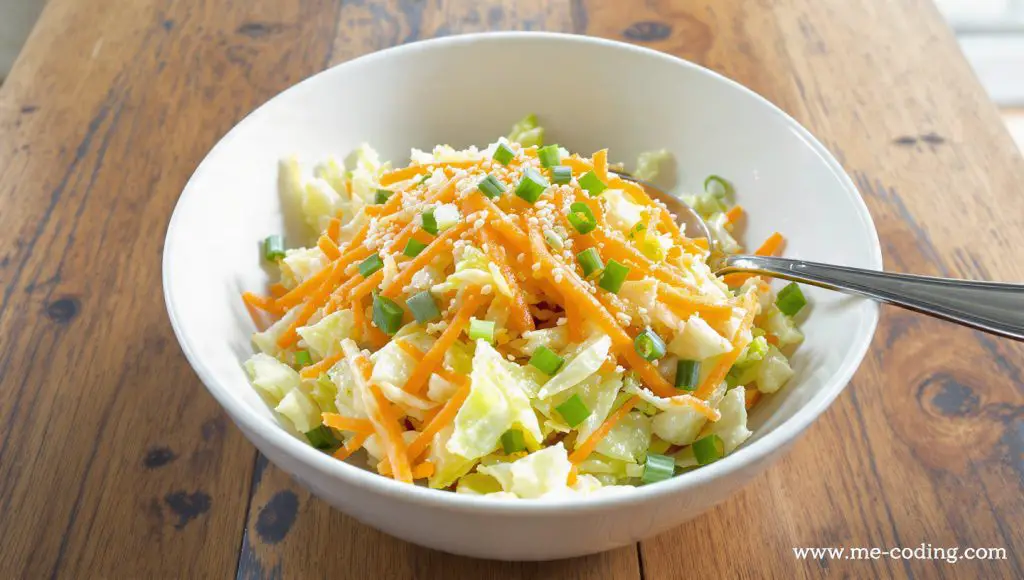
6. Cabbage Carrot Slaw
Crunchy, vinegar dressing
Ingredients
- 3 cups green cabbage, shredded
- 1 cup carrots, shredded
- 2 tbsp apple cider vinegar
- 1 tbsp olive oil
- 1 tsp Dijon mustard
- Salt and pepper to taste
How to Make
- Combine the shredded cabbage and carrots in a large bowl.
- Whisk together the apple cider vinegar, olive oil, and Dijon mustard.
- Pour the dressing over the slaw and toss well to coat.
- Let sit for 10–15 minutes before serving so the flavors meld.
Why This Is a Diabetic-Friendly Recipe
Cabbage and carrots are both non-starchy vegetables with a relatively low glycemic impact, and this slaw skips the sugar that’s often added to traditional coleslaw dressings in favor of a vinegar-based one. Apple cider vinegar has even been studied for its potential to modestly improve insulin sensitivity when consumed with meals, making this a particularly thoughtful choice of dressing for a diabetic-conscious side dish. The fiber in both cabbage and carrots also helps slow the absorption of the natural sugars they contain. This makes for a crunchy, flavorful side that pairs well with a protein-based main dish without adding a significant carbohydrate load. As always, individual response can vary, so it’s worth checking with a doctor or dietitian about how it fits your plan.
Nutrition (per serving, 4 servings)
- Calories: ~70
- Fat: 4g
- Carbohydrates: 8g
- Fiber: 2g
- Sugar: 4g
- Protein: 1g
How to Store
Store in an airtight container in the fridge for up to 4 days — this slaw actually holds up better than most dressed salads, since the vinegar helps preserve the cabbage and carrots, and the flavors continue to develop over time. Give it a quick toss before serving if any liquid has settled at the bottom.