Introduction
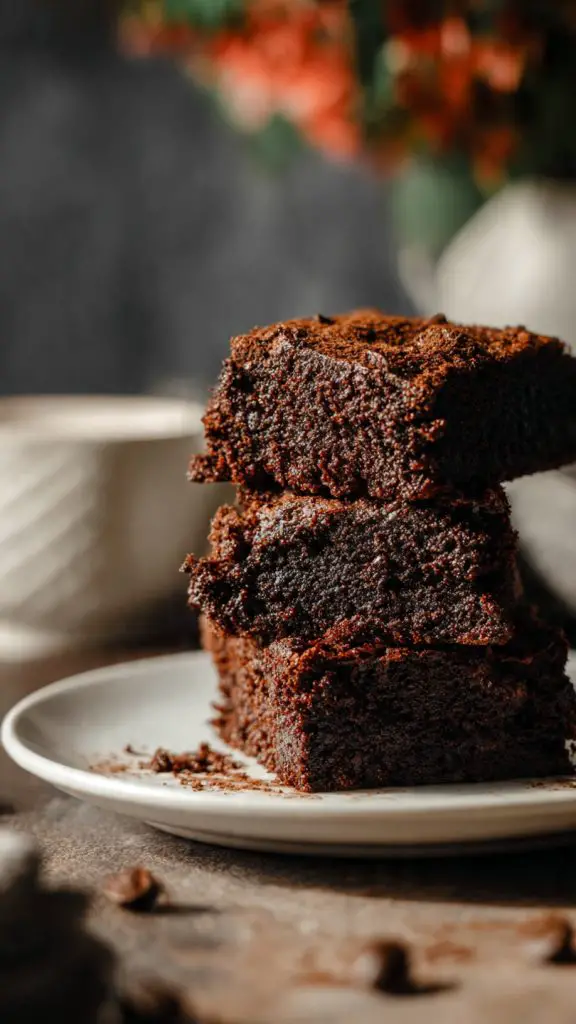
There’s something almost universal about the craving for a warm, fudgy brownie — that deep chocolate hit, the slightly crisp top, the dense chewy center that pulls apart in rich, glossy strands. For most people living with diabetes, though, brownies have historically felt off-limits, tangled up with white flour, refined sugar, and a blood sugar spike that isn’t worth the few minutes of indulgence. This recipe was built to change that equation entirely.
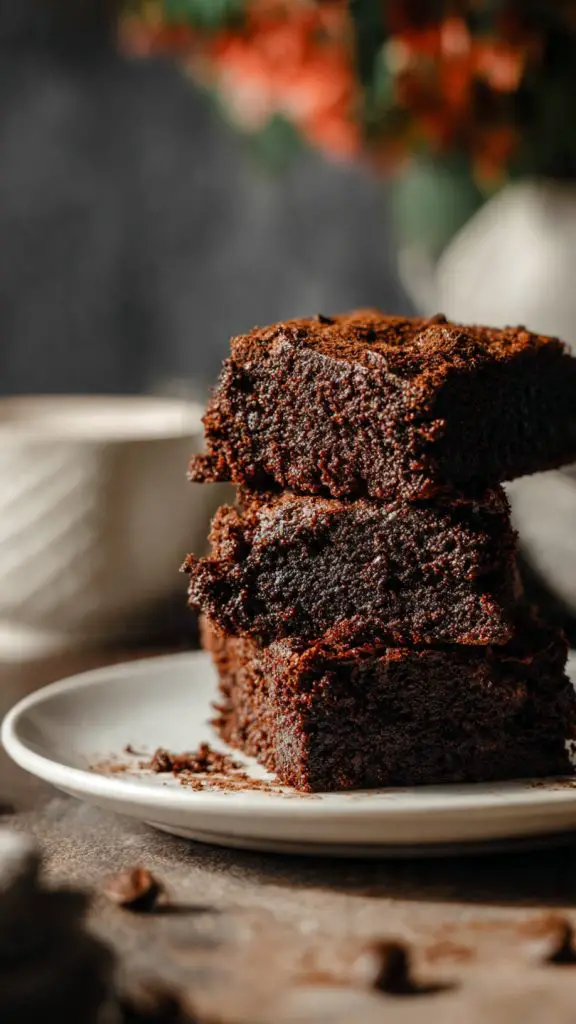
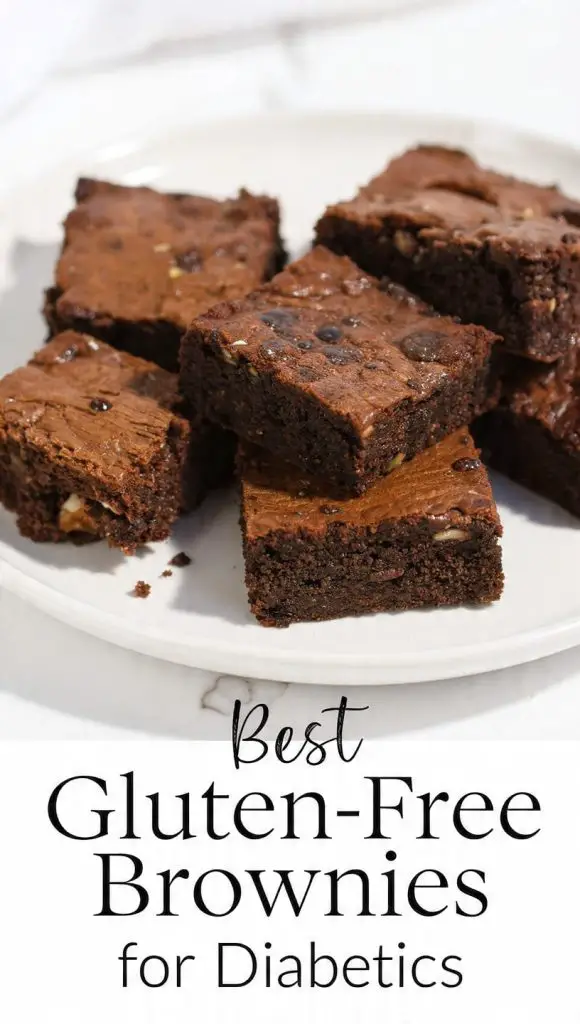
These brownies are naturally gluten-free, made with almond flour instead of wheat, and sweetened with a sugar substitute rather than table sugar — but the goal was never to create a “diet” brownie that merely resembles the real thing. The goal was to make a brownie that happens to be diabetes-friendly, one that’s genuinely fudgy, genuinely chocolatey, and genuinely satisfying in the way a great brownie should be. Almond flour brings a naturally moist, slightly nutty depth that pairs beautifully with cocoa, while a small amount of applesauce keeps the texture soft without adding refined carbs. The result is a brownie dense enough to feel indulgent, with a fraction of the net carbs of a traditional recipe.
Whether you’re managing type 1 or type 2 diabetes, cooking for a family member who is, or simply trying to cut back on added sugar without giving up dessert, this recipe is designed to fit into that life without complication. No hard-to-find ingredients, no finicky techniques — just a one-bowl(ish) batter, a short bake, and a pan of brownies you don’t have to think twice about.
Ingredients
- ½ cup almond flour
- ¼ cup unsweetened cocoa powder
- ½ cup granulated erythritol or monk fruit sweetener
- ¼ tsp baking powder
- Pinch of salt
- 2 large eggs
- ¼ cup unsweetened applesauce (or melted coconut oil)
- 1 tsp vanilla extract
- ⅓ cup sugar-free dark chocolate chips (85%+ cocoa)
A quick note on ingredient choices: almond flour is used here instead of a gluten-free flour blend because it’s naturally low in carbohydrates and doesn’t rely on starches like rice flour or tapioca starch, which can behave more like refined flour in terms of their effect on blood sugar. The sweetener can be erythritol, monk fruit, or allulose — all are non-nutritive or low-glycemic sweeteners, but they do behave slightly differently in baking, so stick with a granulated, cup-for-cup sugar substitute for the most predictable results. Unsweetened applesauce keeps the brownies moist without adding fat, though melted coconut oil is a good substitute if you prefer a richer, more traditional brownie texture. Finally, make sure the chocolate chips you choose are genuinely sugar-free or sweetened with the same type of substitute — many “dark chocolate” chips on grocery shelves still contain a meaningful amount of added sugar.
How to Make
- Preheat the oven to 350°F (175°C) and line an 8×8-inch baking pan with parchment paper, leaving a slight overhang on two sides so you can lift the brownies out easily once baked.
- In a mixing bowl, whisk together the almond flour, cocoa powder, sweetener, baking powder, and salt. Whisking the dry ingredients first helps break up any clumps in the cocoa powder and distributes the baking powder evenly, which matters more in a flourless batter than you’d expect.
- In a separate bowl, beat the eggs until slightly frothy, then whisk in the applesauce (or coconut oil) and vanilla extract until fully combined.
- Pour the wet ingredients into the bowl of dry ingredients and stir with a spatula until just combined. Avoid overmixing — a few streaks are fine, and overworking the batter can make the brownies denser than intended.
- Fold in the sugar-free chocolate chips, reserving a small handful to scatter on top of the batter for a nicer finished look.
- Spread the batter evenly into the prepared pan, using the back of a spoon or an offset spatula to smooth the top.
- Bake for 18–22 minutes. You’re looking for set edges and a toothpick inserted into the center that comes out with a few moist crumbs clinging to it — not wet batter, but not perfectly clean either. Because almond flour bakes differently than wheat flour, it’s easy to overbake this recipe if you’re going by instinct alone, so start checking at the 18-minute mark.
- Remove the pan from the oven and let the brownies cool completely before slicing — this step matters more than it seems. Almond flour brownies continue to set as they cool, and cutting into them too early will give you a softer, more crumbly result rather than the dense, fudgy square you’re after. If you can stand to wait, chilling the pan in the fridge for 20–30 minutes after it reaches room temperature will give you the cleanest slices and the fudgiest bite.
Why Is This a Diabetic-Friendly Recipe?
Every ingredient in this recipe was chosen with blood sugar in mind, not just to hit a “healthy” label. Almond flour replaces wheat flour entirely, which does two things at once: it removes the refined starch that would otherwise convert quickly to glucose, and it adds fiber, protein, and healthy fats that slow down digestion and blunt the rate at which any remaining carbohydrates enter the bloodstream. This is a meaningfully different mechanism than simply removing sugar — it changes how the whole dessert is metabolized, not just how sweet it tastes.
The sugar substitute plays a more straightforward role: erythritol, monk fruit, and allulose are all sweeteners that the body either doesn’t absorb well or processes through pathways that don’t significantly raise blood glucose, unlike table sugar or even most “natural” sweeteners like honey or maple syrup. Unsweetened cocoa powder and sugar-free chocolate chips round this out, ensuring there’s no hidden added sugar sneaking in through the chocolate itself, which is one of the most common places a “diabetic-friendly” dessert quietly falls short. Together, these choices mean you get a genuinely low glycemic-impact treat, rather than one that’s merely lower in sugar than the original.
Nutrition (per brownie, makes 9 squares)
- Calories: ~110
- Net Carbs: ~3g
- Protein: ~4g
- Fat: ~9g
- Fiber: ~2g
How to Store
These brownies keep well, which makes them an easy make-ahead treat. Store them in an airtight container at room temperature for up to 3 days, or in the refrigerator for up to a week — chilling them actually enhances the fudgy texture, so don’t be afraid to keep them cold. To freeze, wrap individual squares tightly in plastic wrap and place them in a freezer-safe bag or container for up to 3 months. When you’re ready for one, let it thaw at room temperature for about 20 minutes, or give it a few seconds in the microwave for a warm, gooey brownie straight from the freezer.